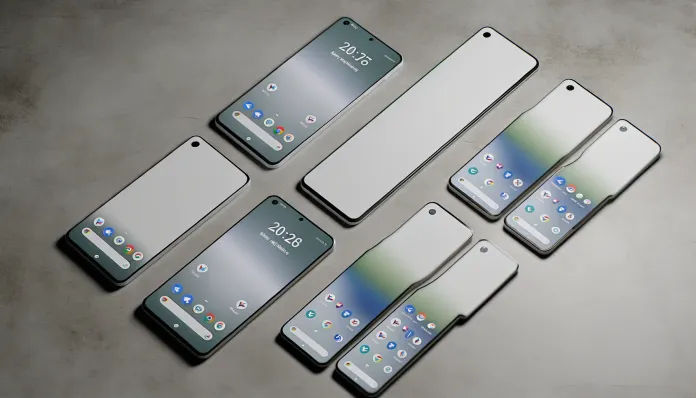
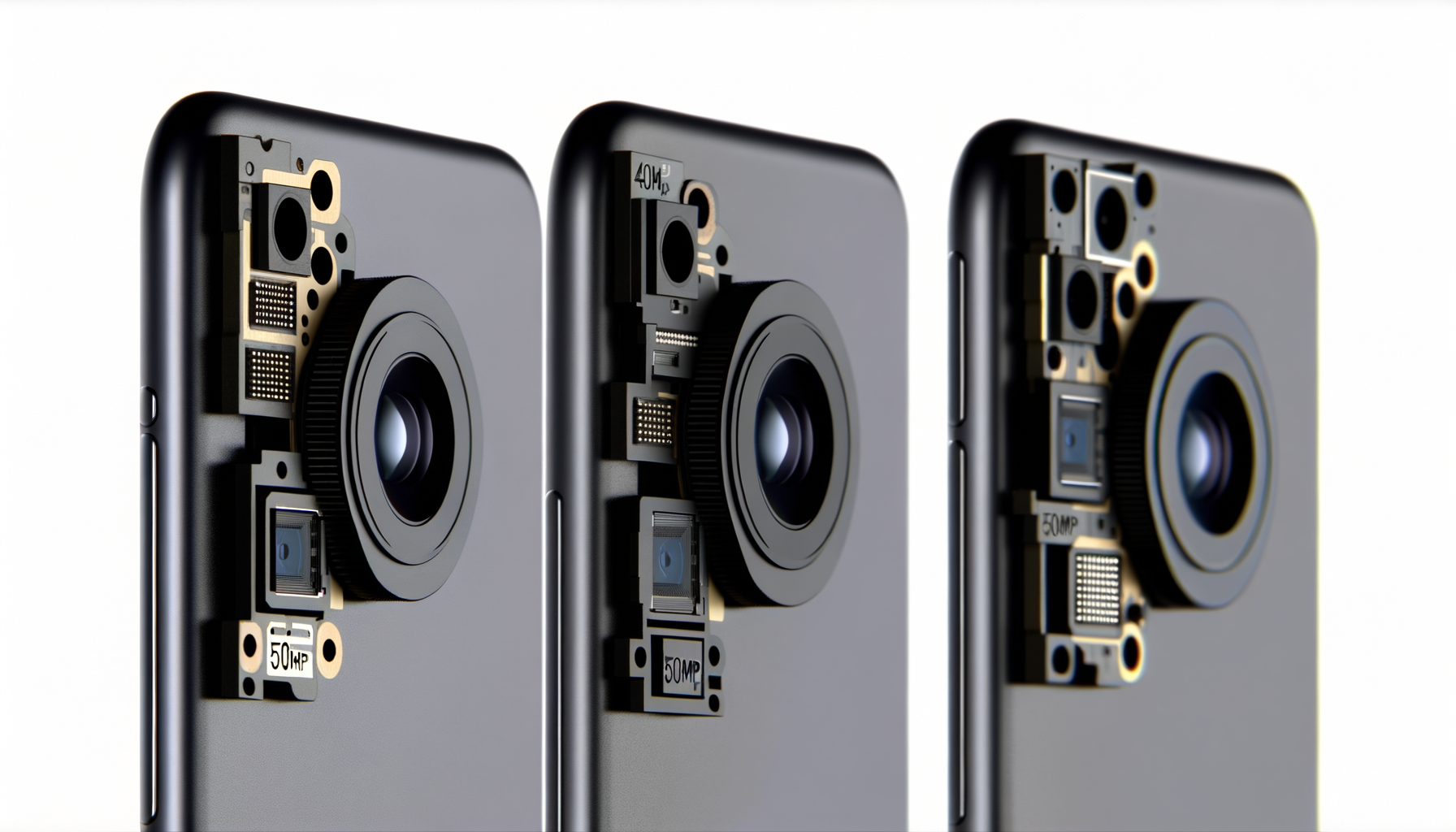
The mid-range smartphone market in 2026 offers exceptional options, especially for those seeking the best smartphone under $400. Consumers can find devices with advanced technology, quality cameras, and robust performance without breaking the bank. Additionally, brands like Samsung, Motorola, and Xiaomi have intensified competition in this price range, resulting in products with impressive technical specifications and features that were once exclusive to flagships.
What is the Best Smartphone Under $400 in 2026?
Firstly, the definition of the best smartphone under $400 directly depends on the individual priorities of each user. However, after technical analysis of specifications and practical tests, the Samsung Galaxy A56 emerges as the absolute leader in value for money, closely followed by the Moto G86 in photographic quality.
On the other hand, models like POCO X7 and Galaxy A26 perfectly cater to users who prioritize savings without sacrificing essential functionalities. Consequently, the final choice should consider specific factors such as priority in gaming, photography, battery life, or physical durability.
Model
Price
Screen
Processor
Battery
Camera
Galaxy A56
$359
Super AMOLED 6.7″ 120Hz
Exynos 1580
5000mAh 45W
50MP OIS
Moto G86
$319
P-OLED 6.67″ 120Hz
Dimensity 7300
5000mAh 33W
50MP OIS
Redmi Note 14 Pro
$365
AMOLED 6.67″ 120Hz
Dimensity 7050
5000mAh 67W
108MP
POCO X7
$257
AMOLED 6.67″ 120Hz
Dimensity 7300
5100mAh 67W
64MP
Galaxy A56: The Most Balanced Value for Money
The Samsung Galaxy A56 sets a new benchmark in the mid-range category with specifications that directly rival premium smartphones. Additionally, the 6.7-inch Super AMOLED display offers a maximum brightness of 1900 nits, ensuring excellent visibility even under intense sunlight.
In this context, the Exynos 1580 processor manufactured in a 4nm process delivers consistent performance for both multitasking and moderately demanding games. Similarly, optimization with the One UI interface provides a fluid and intuitive experience.
Specs and Differentials
In contrast to competitors, the Galaxy A56 stands out for its combination of premium features in a mid-range body:
Main 50MP camera with optical stabilization (OIS) for sharp photos even in motion
45W fast charging that completes 80% of the battery in just 45 minutes
Premium construction with IP67 rating for water and dust resistance
Guaranteed support for 4 years of Android updates
Expandable RAM via RAM Plus technology
Therefore, users seeking a complete and durable device will find the Galaxy A56 an ideal solution within the established budget.
Motorola Edge 60 Fusion and Moto G86: Focus on Camera
However, Motorola presents two compelling alternatives for photography enthusiasts. Indeed, both the Edge 60 Fusion and Moto G86 prioritize photographic quality with advanced features traditionally found in flagships.
Thus, both models incorporate optical stabilization in the main camera and 4K recording on all lenses, including ultra-wide and macro. Consequently, amateur videographers and content creators find accessible professional tools.
Still, the Moto G86 differentiates itself with an extraordinary P-OLED screen with a peak brightness of 4500 nits, surpassing many premium smartphones. Additionally, IP68 and IP69 certifications ensure superior protection against elements, including pressurized water jets.
Which to Choose Between Them?
Firstly, the Edge 60 Fusion caters to users who prioritize sophisticated design and robust resistance, justifying the price of $359. On the other hand, the Moto G86 offers better absolute value for $319, retaining almost all functionalities of the more expensive sibling.
However, the final decision should consider aesthetic preferences and the real need for extreme water resistance. Thus, professionals working in adverse environments benefit more from the Edge 60 Fusion.
Moto G56 vs Redmi Note 14 Pro: Mid-Range Competition
In this context, two distinct philosophies emerge in the mid-range: durability versus pure performance. Moreover, both Moto G56 and Redmi Note 14 Pro represent different approaches to meet users with specific priorities.
In contrast, the Moto G56 emphasizes military-grade durability with MIL-STD-810H certification, ensuring operation in extreme temperatures and moderate impacts. Similarly, the 5,200 mAh battery provides exceptional autonomy for intensive users.
On the other hand, the Redmi Note 14 Pro focuses on a premium visual experience with a 1.5K AMOLED screen and superior performance for games and heavy applications. Consequently, gamers and media consumers find a better experience in this model.
Battery, Screen, and Processor
Thus, the technical comparison reveals fundamental differences between the proposals:
Battery: Moto G56 leads with 5,200 mAh vs 5,000 mAh of the Redmi
Screen: Redmi Note 14 Pro offers superior quality with 1.5K AMOLED
Processor: Both use Dimensity chipsets with equivalent performance
Charging: Redmi wins with 67W vs 33W of Motorola
Durability: Moto G56 surpasses with military certifications
Therefore, the choice directly depends on the usage profile: resistance and autonomy (Moto G56) versus visual quality and fast charging (Redmi Note 14 Pro).
POCO X7 and Galaxy A26: More Affordable Options
Still, users with a more restricted budget find viable alternatives without compromising essential functionalities. Firstly, the POCO X7 represents a significant milestone by introducing IP68 certification for the first time in the line, raising the quality standard of the budget category.
Additionally, the Gorilla Glass Victus 2 glass provides premium protection against drops and scratches, a rare feature in smartphones below $260. However, the robust construction does not compromise elegant design and comfortable ergonomics.
On the other hand, the Galaxy A26 5G democratizes next-generation connectivity with a refined One UI interface and extended update support. Consequently, users obtain an authentic Samsung experience for an affordable price of $315.
In fact, both models meet basic communication, entertainment, and productivity needs without significant limitations. However, the POCO X7 stands out in casual gaming, while the Galaxy A26 offers better integration with the Samsung ecosystem.
How to Choose According to Your Priority
Consequently, selecting the best smartphone under $400 requires an objective analysis of individual needs versus available technical specifications. Firstly, users should identify their three main priorities among performance, photography, battery, screen, and durability.
Thus, different user profiles find specific recommendations:
Photography and video: Moto G86 or Edge 60 Fusion for superior optical quality
Gaming and performance: Galaxy A56 or Redmi Note 14 Pro for optimized processors
Battery and autonomy: Moto G56 for the 5,200 mAh capacity
Overall value: Galaxy A56 for balance across all aspects
Limited budget: POCO X7 for premium features at an affordable price
Is it worth buying a smartphone under $400 in 2026?
Definitely yes. In 2026, smartphones in this price range offer specifications that rival flagships from previous years, including 120Hz AMOLED screens, cameras with optical stabilization, efficient processors, and long-lasting batteries. Additionally, brands like Samsung and Motorola guarantee extended update support, making the investment advantageous in the long run.
What is truly the best value between Galaxy A56 and Moto G86?
The Galaxy A56 offers better overall value due to the more efficient Exynos 1580 processor, 45W fast charging, and guaranteed support for 4 years of updates. However, the Moto G86 excels in photographic quality with a superior P-OLED screen and IP68/IP69 certifications for $40 less, making it ideal for users who prioritize camera and durability.
Can I run heavy games on a $400 smartphone?
Yes, especially on the Galaxy A56 and Redmi Note 14 Pro models. Both run games like PUBG Mobile, Free Fire, and Call of Duty Mobile on medium to high settings with stable frame rates. The Exynos 1580 processor of the A56 and the Dimensity 7050 of the Redmi are optimized for gaming, offering satisfactory performance for most popular titles.
How long is the warranty on a Samsung or Motorola mid-range smartphone?
Both brands offer a 12-month national warranty against manufacturing defects. However, the difference lies in software support: Samsung guarantees 4 years of security updates and 3 major Android updates, while Motorola offers 2 years of major updates and 3 years of security patches. Therefore, Samsung offers more extended support.
Is it better to wait for a new model or buy now in May 2026?
It is recommended to buy now if the current smartphone has significant limitations. The models available in May 2026 represent mature and reliable technology, with prices stabilized after launch. Additionally, waiting for new releases may result in high initial prices, while current models offer excellent value with technology already validated by the market.
Compare Amazon Prime Video and Max (HBO Max) in Brazil 2026: pricing, catalog, sports, and which platform offers the best value for your profile. Detailed analysis to help you choose.
Compare the top mid-range smartphones with the best camera performance under R$ 2,000 in Brazil. Google Pixel 8a, Samsung Galaxy A55, Xiaomi Redmi Note 13 Pro+, and Motorola Edge 50 face off in this detailed analysis.
Discover why your Bluetooth headphones don't last as long as promised. Learn how manufacturers calculate battery life, what actually drains your battery, and how to compare models honestly before buying.
Learn how to choose a notebook with long battery life in 2026. Understand real autonomy vs. manufacturer claims, compare chip architectures, and find the perfect model for your needs.
Compare Amazon Prime Video and Max (HBO Max) in Brazil 2026: pricing, catalog, sports, and which platform offers the best value for your profile. Detailed analysis to help you choose.
Compare the top mid-range smartphones with the best camera performance under R$ 2,000 in Brazil. Google Pixel 8a, Samsung Galaxy A55, Xiaomi Redmi Note 13 Pro+, and Motorola Edge 50 face off in this detailed analysis.
Discover why your Bluetooth headphones don't last as long as promised. Learn how manufacturers calculate battery life, what actually drains your battery, and how to compare models honestly before buying.