

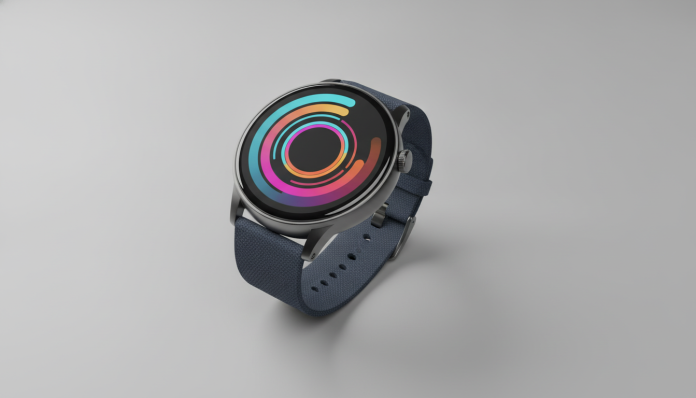

Galaxy Watch 8: How much battery life you really get on your wrist
The Galaxy Watch 8 arrived on the market in 2025 as Samsung’s bet to consolidate its line of daily-use smartwatches, balancing battery life, health features, and integration with the Android ecosystem. Samsung promises up to 40 hours of battery in standard usage mode, but anyone who has bought a smartwatch before knows that official numbers rarely survive contact with real life. The question that matters is different: how much will you actually get from the watch in your daily routine?
The short answer is: it depends a lot on how you use it. With GPS active and continuous heart rate and blood oxygen monitoring (SpO2), battery life drops significantly. In more moderate use, without tracking every run and with the screen set to only turn on when you raise your wrist, you can reach two full days. For those trying to decide if it’s worth buying, this article will break down each variable that affects battery life and what you can adjust to get the most out of the Watch 8.
Galaxy Watch 8 Technical Specifications
| Specification | Details |
|---|---|
| Launch | 2025 |
| Available sizes | 40 mm and 44 mm |
| Battery capacity | 300 mAh (40 mm) / 425 mAh (44 mm) |
| Official battery life (Samsung) | Up to 40 hours (typical use, 40 mm) |
| Operating system | Wear OS with One UI Watch 7 |
| Processor | Exynos W1000 |
| Display | Super AMOLED, up to 60 Hz |
| Charging | Wireless, via included magnetic charger |
| Durability | 5 ATM + IP68, MIL-STD-810K certified |
| Connectivity | LTE (cellular version), Wi-Fi, Bluetooth, NFC |
| GPS | Yes, with multiple satellite systems support |
| Sensors | Heart rate, SpO2, skin temperature, accelerometer, gyroscope, barometer |
| US launch price | Starting from $299 USD |
| Approximate price in Brazil | Starting from R$ 1,799 (varies by size and version) |
What Drains the Battery Faster Than You Think
The Always-On Display (AOD), which keeps information visible on the screen even when your wrist is down, is the silent culprit. According to Samsung, enabling it can reduce battery life by about 20% to 30% depending on brightness and environment. The Super AMOLED screen is efficient, but keeping any pixel lit constantly has a real cost.
The second major power consumer is active GPS during workouts. When you go out running or cycling with route tracking enabled, the location chip works full-time, and that adds up. Long workouts over 90 minutes already make a noticeable difference in the energy reserve available for the rest of the day.
Continuous health monitoring also factors in. The Watch 8 can measure heart rate every second, track SpO2 at night, and monitor skin temperature throughout the day. Each sensor individually uses little power, but running together and non-stop, the impact is visible. Those who activate all of this at the same time should expect battery life closer to 28 to 35 hours on the 40 mm version, according to Samsung’s own technical information in different documented scenarios.
How Watch Size Changes Everything
This point is straightforward. The 44 mm version has a 425 mAh battery, compared to 300 mAh on the 40 mm version. That’s 42% more capacity, which translates to more usage time under the same conditions.
If you have a more active lifestyle and don’t want to worry about charging the watch daily, the 44 mm is the rational choice. The larger size may look oversized on thinner wrists, but the practical difference in battery life usually convinces. For those using the watch mainly as a daily accessory and charging it every night, the 40 mm works well and feels more comfortable on the wrist.
Samsung claims the 44 mm can reach up to 48 hours in standard usage mode. Always check Samsung Brazil’s official spec sheet to confirm exact values for different scenarios, as the company details different usage profiles.
Power Saving Modes and What Each Delivers
The Wear OS with One UI Watch 7 brings three main power management profiles. Understanding what each does helps you choose the right balance for your day.
- Normal mode: all functions active, standard battery life as per spec sheet
- Low power mode: disables non-essential functions like Wi-Fi and some notifications, keeping time, steps, and basic heart rate; can double battery life in emergency situations
- Watch Only: disables almost everything, transforms the Watch 8 into a simple digital clock; Samsung indicates this mode can last several days, but you lose all smart features
There’s also the option to manually customize what stays active. Turning off AOD, reducing brightness to automatic, setting GPS to activate only during workouts, and limiting SpO2 to periodic rather than continuous monitoring are the adjustments that make the most difference in practice. You don’t need to enter emergency mode to gain extra hours of use.
Charging: Speed and Practicality in Brazil
The Watch 8 charges wirelessly via the magnetic charger that comes in the box. Samsung doesn’t disclose the exact charger wattage for the Watch 8 in widely available public documents, but according to the spec sheet, the full charge time for the 44 mm version is approximately 80 minutes from zero.
A quick 30-minute charge is usually enough to replenish the energy used during a day of moderate use, making the daily charging routine during a shower or breakfast quite viable. The charger uses the same Qi technology as other Samsung devices, but the coil is specific to the watch.
In Brazil, the Watch 8 is sold with a charger compatible with local voltage (dual voltage), with no adapter needed. Regarding Anatel certification, models officially sold by Samsung Brazil go through the mandatory certification process. If you import via international marketplace, you may find uncertified versions, which can technically limit radio features like LTE and complicate warranty and support. Samsung Brazil’s official warranty is one year for hardware.
LTE Version and Battery Impact
The Watch 8 has an LTE connectivity version, which allows you to use the watch independently from your phone for calls and music streaming. Convenient, but at a battery cost. When the LTE chip is active and searching for network signal, consumption increases. Samsung recommends using LTE only when necessary, keeping Bluetooth as the main connection when your phone is nearby.
In Brazil, the LTE version requires activation with your carrier, and not all offer plans compatible with Samsung smartwatches. Check with your carrier before buying the connected version expecting to use this feature, as availability is still limited compared to the United States.
Competitors and Alternatives in Brazil
| Smartwatch | Declared battery | Approximate price in Brazil |
|---|---|---|
| Galaxy Watch 8 (44 mm) | Up to 48 hours | Starting from R$ 1,999 |
| Apple Watch Series 10 | Up to 18 hours | Starting from R$ 4,999 |
| Garmin Forerunner 165 | Up to 11 days (smartwatch mode) | Starting from R$ 1,799 |
| Google Pixel Watch 3 | Up to 24 hours | Starting from R$ 2,499 |
| Amazfit Balance | Up to 14 days | Starting from R$ 899 |
The Garmin Forerunner 165 is the most direct competitor in battery life, with days of use without charging, but sacrifices the app ecosystem and native Android integration. The Amazfit Balance delivers impressive battery life at a much lower price, but the software and health sensors don’t match the Watch 8’s level. Apple Watch only makes sense if you have an iPhone.
For Android users wanting complete integration with Google and everyday apps, the Watch 8 and Pixel Watch 3 are the most complete options in the Brazilian market in 2026. The battery life difference between them is real, favoring the Watch 8.
Frequently Asked Questions About Galaxy Watch 8 Battery
Does the battery really last 40 hours like Samsung promises?
It depends on your usage profile. Samsung describes the “typical use” scenario with specific details about brightness, notification check frequency, and GPS usage. With more intense use including AOD active, frequent GPS, and all health sensors running continuously, real-world battery life tends to fall below that number. Check the detailed scenarios in Samsung Brazil’s official spec sheet.
Is it worth turning on Always-On Display on the Watch 8?
It depends on how much you value seeing the time without raising your wrist. The battery cost is real and can mean hours less autonomy throughout the day. An alternative is using the wrist raise gesture to light up the screen, which is fast enough for most situations and preserves battery.
Will the Watch 8 charge on any wireless charger?
The watch needs Samsung’s specific magnetic charger. It won’t charge on generic Qi bases for smartphones, even though it’s wireless technology. The charger is included in the box and can be purchased separately at Samsung Brazil stores.
Is buying imported worth the savings?
The risk is lack of Anatel certification, which can limit radio features like LTE and compromise official warranty. If the foreign price is significantly lower, factor in shipping costs, import taxes, and limited support risk. Models sold by official retailers in Brazil have one-year hardware warranty and access to authorized technical support.
Who the Galaxy Watch 8 Makes Sense For
The Watch 8 is a complete and well-rounded smartwatch for Android users who want a daily device with reliable health monitoring and clean integration with their phone. Battery life isn’t the strongest point compared to sports-focused watches like Garmin, but it’s sufficient for most people who charge the watch while sleeping or plug it in for 30 minutes in the morning.
If you research productivity tech a lot, you’ve probably noticed that the smartphone is still the center of everything in this ecosystem, and the Watch 8 works better as a complement than a replacement, much like tools like Perplexity’s Comet browser work better as a complement to your workflow than as a complete replacement for your main browser.
Recommended for: Android users who want a complete smartwatch with health monitoring, good integration with the Google and Samsung ecosystem, and don’t mind charging the watch every two days
Not recommended for: those who do long hikes or expeditions without power access, want several days of battery without thinking about charging, or use iPhone
Price range: starting from R$ 1,799 (40 mm) and R$ 1,999 (44 mm) at Samsung stores and major retailers; prices vary by promotions and versions; US launch started at $299 USD