

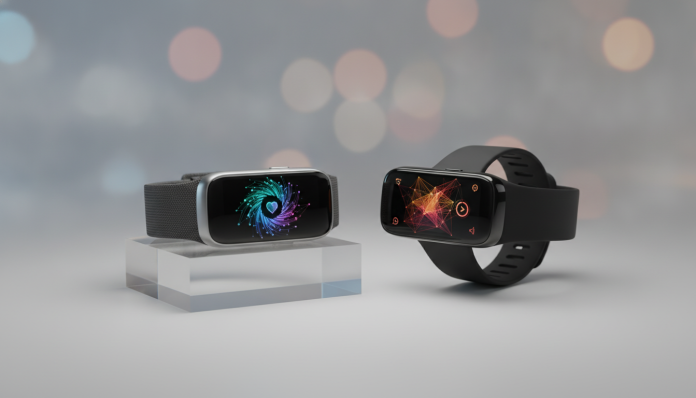

Galaxy Fit 3 vs Xiaomi Smart Band 10: What Changes in Practice and Which Offers Better Value
Choosing between the Galaxy Fit 3 and the Xiaomi Smart Band 10 seems straightforward at first glance, but the two devices serve very different profiles, even occupying the same price shelf. One has the Samsung ecosystem, larger display, and more premium finish. The other bets on battery autonomy, extreme lightness, and integration with the Zepp app, which now brings together all of Xiaomi’s health data in one place. The short answer: if you use Android and want a discreet wristband for everyday use without spending much, both work, but the decision depends on what you prioritize.
The Galaxy Fit 3 was launched in 2024 and remains relevant in 2026 for having Anatel certification and official Samsung distribution in Brazil, which ensures technical support and 12-month manufacturer warranty. The Smart Band 10 hit the global market in the second half of 2024 and is available in Brazil via imports or authorized Xiaomi resellers, depending on the channel, so it’s worth confirming whether the model you’re buying has local warranty before closing the purchase.
Comparative Technical Specifications
| Specification | Samsung Galaxy Fit 3 | Xiaomi Smart Band 10 |
|---|---|---|
| Display | AMOLED 1.6 in., 256 x 402 px | AMOLED 1.62 in., 192 x 490 px |
| Case | Aluminum | Polycarbonate (engineering plastic) |
| Battery | 208 mAh | 233 mAh |
| Declared Battery Life | Up to 13 days | Up to 21 days |
| Heart Rate Monitor | Yes, continuous | Yes, continuous |
| SpO2 (Oxygen Saturation) | Yes | Yes |
| GPS | Connected (uses phone GPS) | Connected (uses phone GPS) |
| Water Resistance | 5 ATM | 5 ATM |
| NFC / Payments | No | No (global version) |
| Compatibility | Android 10+ / iOS 16+ | Android 8+ / iOS 14+ |
| Main App | Samsung Health / Galaxy Wearable | Zepp / Mi Fitness |
| Weight (without strap) | 28.2 g | 27.9 g |
| Price Range in Brazil | R$ 350 to R$ 450 | R$ 250 to R$ 350 |
| Reference Price USA | US$ 59.99 (launch) | US$ 49.99 (launch) |
Prices vary greatly depending on the channel, promotions, and exchange rates. Always check the current price at stores before deciding.
Display and Design: A Small Difference That You Feel on Your Wrist
Both use AMOLED technology, which ensures deep blacks and vibrant colors without consuming much battery when the display shows dark backgrounds. The difference in screen ratio is the most important point here: the Galaxy Fit 3 has a more square panel and wide horizontally, making it easier to read entire notifications. The Smart Band 10 is more elongated and narrow, resembling the classic format of previous Mi Band generations.
The Galaxy Fit 3 uses an aluminum case, which gives a feeling of a more premium product when you hold it. The Smart Band 10 uses polycarbonate, which is lighter and doesn’t scratch like metal, but conveys a perception of a simpler product. If you’ll wear it at work and care about appearance, the Fit 3 has the advantage. If comfort and discretion during workouts are priority, the Band 10 is practically imperceptible on your wrist.
Health Monitoring: Where They Match and Where They Differ
Both monitor heart rate continuously, SpO2 (blood oxygen saturation, useful for identifying drops during sleep or at high altitudes), sleep quality with phases, and stress. For everyday use by someone who wants to track basic health, the sensors are equivalent.
The difference lies in the depth of analysis and the ecosystem. Samsung Health is one of the most complete health apps on the Android market, with integration with Google Health Connect, compatibility with third-party platforms, and detailed history. If you already use Samsung Health with a Galaxy, Fit 3 data automatically enters the same dashboard. Xiaomi’s Zepp app has improved significantly and offers recovery analysis, menstrual cycle tracking, and health trends, but is still less integrated with other platforms.
Connected GPS: What It Means in Practice
Neither has embedded GPS, meaning the positioning chip isn’t inside the device. Both use your smartphone’s GPS to record routes during physical activities. This means you need to carry your phone along during runs or walks if you want a route map. For those who train with their phone on their arm or in their pocket, this isn’t a problem. For those who want to leave their phone at home, it’s a real limitation for both devices.
Battery and Autonomy: The Smart Band 10 Has a Clear Advantage
According to Xiaomi, the Smart Band 10 delivers up to 21 days of battery life with typical use. Samsung declares up to 13 days for the Fit 3. In practice, manufacturers’ “typical use” considers heart rate monitoring, sleep, and notifications, but without continuous GPS or always-on display. With the AOD (Always-On Display, which keeps information visible all the time without needing to wake the screen) activated, battery life drops on both.
If you hate charging another device and want a wristband that lasts over two weeks without thinking, the Smart Band 10 is the more relaxed choice. The Fit 3 with 13 days is still excellent compared to full smartwatches, but loses badly in this direct comparison. Both charge magnetically and take about an hour and a half to charge.
Software, Notifications, and iPhone Compatibility
The Fit 3 works with Android 10 or higher and iOS 16 or higher, but the experience on iPhone is limited: you see notifications but can’t reply or use advanced health features with the same depth as a Galaxy. The Smart Band 10 also works with iPhone via Mi Fitness app, with compatibility from iOS 14 onwards, and faces similar limitations.
If you use iPhone, both are acceptable options for basic health monitoring and notifications, but ideal would be an Apple Watch or a competitor with native iOS integration. For Android users, both work well, and Galaxy users have a smoother experience with the Fit 3 through Samsung Health.
For those with a Galaxy, connecting the Fit 3 is practically automatic through the Galaxy Wearable app. It’s worth noting that if you eventually migrate devices, transferring data between ecosystems may require extra steps, something relevant for those thinking of changing phones soon.
Availability in Brazil and Import
The Galaxy Fit 3 has official Samsung distribution in Brazil with Anatel certification, meaning it passed the radiofrequency compliance certifications required by the regulatory agency. You’ll find it in stores like Americanas, Magazine Luiza, Amazon Brasil, and Samsung.com.br, with 12-month warranty.
The Smart Band 10 has presence in Brazil via official Xiaomi store and authorized resellers, but availability varies by region. Imported models from other countries may not have local warranty. Before buying, confirm if the seller offers Xiaomi Brasil warranty and if the model is the global version (without NFC), which is what arrives here. If you opt for direct import, you assume the risk of support on your own.
If you’re exploring fitness bands and smartwatches in this price range in Brazil, it may be worth checking out the Review Haylou Watch 3: Is It Worth Buying in Brazil?, which covers another affordable option with good cost-benefit ratio available here.
Frequently Asked Questions About Galaxy Fit 3 and Xiaomi Smart Band 10
Does the Smart Band 10 Work Without a Phone Nearby?
Yes, for basic functions like displaying time, monitoring heart rate, and recording physical activity. To sync data, receive notifications, and use GPS, the phone must be connected via Bluetooth. The band has no Wi-Fi connectivity or cellular chip.
Does the Galaxy Fit 3 Make Contactless Payments?
No. The Fit 3 doesn’t have NFC, so you can’t use the wristband to pay at payment terminals. If wrist payments are a priority, you’d need to upgrade to the Galaxy Watch, which has Samsung Pay.
Which One Is Better for Sleeping With?
The Smart Band 10 has an advantage due to its extremely low weight and slim format, making nighttime wear more comfortable for most people. The Fit 3 is also light, but the slightly wider case might bother you if you sleep with your wrist in an odd position.
Can I Use Either One With Any Android Phone?
Yes, both work with Android from the versions declared by manufacturers. The Fit 3 requires the Galaxy Wearable app and Samsung Health. The Smart Band 10 uses Mi Fitness or Zepp. Neither requires you to have a phone from the same brand, but the experience is smoother when the ecosystem is integrated.
Which to Choose: Recommendation by Profile
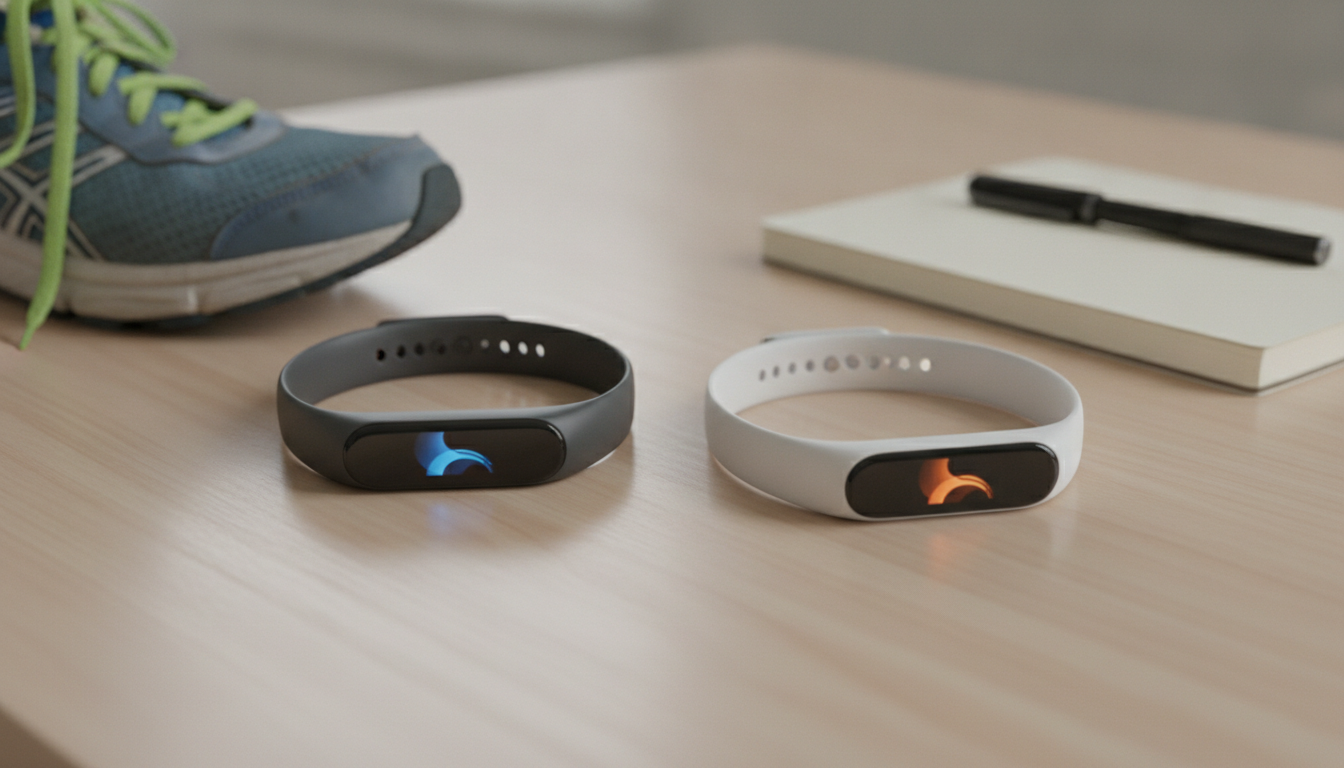
The choice between the two depends more on your usage style than on the specs themselves.
Choose the Galaxy Fit 3 if:
- You already use Samsung Health or own a Galaxy device
- You prefer a larger display and more premium finish
- You want official Samsung support in Brazil with worry-free warranty
- You don’t mind charging the wristband every 10 to 13 days
Choose the Xiaomi Smart Band 10 if:
- Battery autonomy is your absolute priority
- You want to spend less and the minimalist design doesn’t bother you
- You already use the Xiaomi ecosystem or the Zepp app
- Maximum wrist comfort, especially for sleeping, is important
Both are good wristbands for what they propose. The Fit 3 is a more refined product with a more robust ecosystem. The Smart Band 10 is pragmatic: it lasts longer, costs less, and does the basics very well. If budget is decisive, the Band 10 delivers hard-to-beat value for money. If you want a wristband that looks more like a premium product and integrates better with Android, the Fit 3 justifies the price difference.