


Earbuds for Gym That Don’t Fall: The Best of 2026
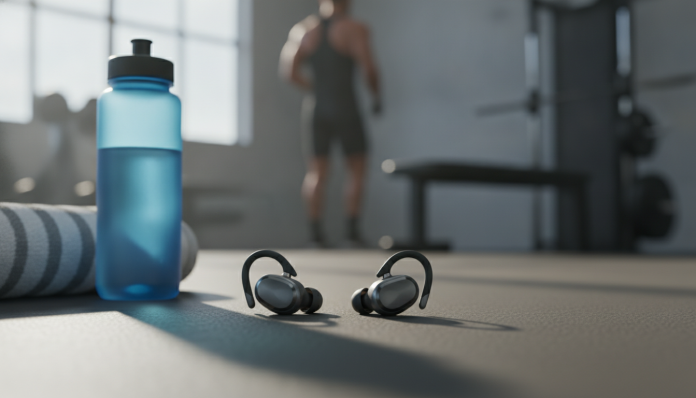
If you’ve ever lost your workout rhythm because your earbuds fell out mid-run, you know exactly why this article exists. Gym earbuds aren’t just any water-resistant earbuds thrown in your pocket: they need to stay in your ear even when you’re sweating, jumping, or doing that burpee nobody likes. The 2026 market is more mature than ever in this segment, with models that combine real fixation, good audio quality, water resistance, and decent battery life, without breaking the bank.
The short answer: the Shokz OpenRun Pro 2 remains the reference for bone conduction for outdoor runners, while the Jabra Elite 8 Active (2nd generation) leads among traditional in-ears for those who train indoors or prefer sound isolation. But the right choice depends a lot on your training type, which is why this comparison covers the main models available in Brazil in 2026, with real prices, pros and cons.
This article follows model B (comparative), because the question “which earbuds for the gym” rarely has a single answer. You’ll find a comparison table, analysis by criterion, and clear recommendations by usage profile.
Comparison: the main models available in Brazil in 2026
| Model | Type | Resistance | Battery | Price Range (BR) | Launch Price (USA) |
|---|---|---|---|---|---|
| Shokz OpenRun Pro 2 | Bone Conduction | IP55 | Up to 10h (+ 2.5h in case) | R$ 1,000 to R$ 1,300 | US$ 179 |
| Jabra Elite 8 Active Gen 2 | In-ear with ear loop | IP68 | Up to 8h (+ 24h in case) | R$ 1,100 to R$ 1,400 | US$ 199 |
| Beats Powerbeats Pro 2 | In-ear with hook | IPX4 | Up to 10h (+ 25h in case) | R$ 1,300 to R$ 1,600 | US$ 249 |
| Sony WF-SP910N | In-ear with ear loop | IPX4 | Up to 9h (+ 27h in case) | R$ 900 to R$ 1,200 | US$ 179 |
| Anker Soundcore Sport X20 | In-ear with hook | IPX7 | Up to 12h (+ 36h in case) | R$ 250 to R$ 380 | US$ 49 |
Prices researched on sites like Mercado Livre, Amazon Brasil, and specialized retailers. Values vary according to promotion and exchange rate.
Fixation: the criterion that decides everything at the gym
No audio specification matters if the earbuds fall out in the third set. There are three main formats that solve this in different ways, and each has its ideal user profile.
The in-ear with ear loop (like the Jabra Elite 8 Active and Sony WF-SP910N) uses a silicone fin that rests on the antitragus, which is that fold of cartilage above the lobe. It works well for most people, but ears with different anatomy can have issues. The ear hook (like the Powerbeats Pro 2) wraps around the top of the ear and offers more aggressive fixation, great for intense movements like CrossFit and jump training. Bone conduction (Shokz) doesn’t go in your ear: it rests on your cheekbones, transmits sound through bone directly to your inner ear, and leaves your ear canal completely free.
For weightlifting and functional classes indoors, any of the three formats work well. For outdoor running, trails, or cycling, Shokz bone conduction wins points by letting you hear the environment around you, which is a safety issue, not just a preference. For swimming, none of the models above is recommended: you need earbuds with internal memory and IP68 certification with specific testing for continuous immersion.
Water and sweat resistance: what the certifications really mean
IP68, IP55, IPX4: these acronyms appear in every sports earbud ad, but few people know what they actually guarantee. The IP (Ingress Protection) classification system has two digits: the first indicates dust protection (0 to 6) and the second indicates water protection (0 to 9).
- IPX4: resistant to splashes from any direction. Sweat and light rain, no problem. Don’t submerge.
- IP55: protected against dust and low-pressure water jets. Great for running in the rain.
- IP68: the highest practical level for earbuds. According to manufacturers, it supports continuous immersion at a depth specified by the manufacturer (which varies). For swimming, check if the model has specific testing for chlorine and saltwater.
- IPX7: protected against immersion up to 1 meter for 30 minutes, but with no dust protection.
The Jabra Elite 8 Active Gen 2 with IP68 is one of the few wireless in-ears that, according to Jabra, was specifically tested for resistance to sweat, seawater, and heavy rain. The Shokz OpenRun Pro 2, with IP55, handles rain running well but isn’t for swimming. The Beats Powerbeats Pro 2 with IPX4 works for the gym and most workouts, but avoid heavy rain.
Audio quality and noise cancellation in sports practice
Sports earbuds don’t need the same audio profile as studio headphones. For the gym, what works is sound with slightly more pronounced bass, which maintains music energy even at moderate volumes, and treble response that doesn’t tire your ears during an hour of training.
The Jabra Elite 8 Active Gen 2 offers active noise cancellation (ANC) and a transparency mode. For those training in loud gyms, ANC helps maintain focus. The Powerbeats Pro 2 from Beats, which uses Apple’s H2 chip (the same as AirPods Pro 2), according to the manufacturer, also offers competitive ANC and excellent integration with iPhone and Apple Watch. If you’re in the Apple ecosystem, that weighs on the decision.
The Shokz OpenRun Pro 2, being bone conduction, doesn’t offer noise cancellation, because the concept is the opposite: you hear the world around you. Bass quality is naturally limited by the technology, which bothers those who like to feel the bass. For running and cycling it’s a fair trade; for weightlifting in a closed gym, most prefer in-ear isolation.
The Anker Soundcore Sport X20 deserves separate mention. In the R$ 250 to R$ 380 range, it delivers reliable ear hook fixation, IPX7, and up to 12 hours of battery. The audio doesn’t compete with Jabra or Beats, but for those who want to spend less and have earbuds that don’t fall, it’s an honest choice. Anker has representation in Brazil and models sold by authorized distributors have local warranty.
Availability in Brazil, Anatel approval, and imports
This point is critical for those thinking of buying from abroad. Every wireless transmission device (Bluetooth) sold in Brazil needs to have Anatel approval, which is the country’s telecommunications regulatory agency. Buying earbuds without the Anatel seal isn’t illegal for personal use, but you may have customs issues, won’t have local warranty, and may face technical support difficulties.
The Jabra Elite 8 Active Gen 2 and Shokz OpenRun Pro 2 have approved versions sold by distributors in Brazil. The Beats Powerbeats Pro 2 is sold in Brazilian Apple Stores with local warranty. The Sony WF-SP910N is available at Sony Store Brasil. To confirm if a product has approval, the Anatel website name should be on your shopping checklist, even if we can’t paste the link here.
Buying from importers like Shopee or AliExpress can significantly reduce the price, but the risk of paying tax on entry, receiving without warranty, or getting a product without Anatel approval is real. For earbuds over R$ 500, the security of domestic purchase usually pays off.
Which to choose: recommendation by training profile and budget
The right choice depends less on which earbuds have the highest review score and more on how you train.
For outdoor running or cycling: the Shokz OpenRun Pro 2 is the most consistent recommendation. Leaving your ear free to hear cars and people isn’t optional when you run on the street. Bone conduction fixation doesn’t depend on ear anatomy and won’t come out with sweat.
For weightlifting and functional workouts at the gym: the Jabra Elite 8 Active Gen 2 delivers the best balance between fixation, resistance, noise cancellation, and battery life. If you’re an iPhone and Apple Watch user, the Powerbeats Pro 2 might be more interesting for native integration.
For those who want to spend less than R$ 400: the Anker Soundcore Sport X20 is the most honest option. It won’t surprise you with audio, but it will keep the earbuds in your ear and last a long time.
For those with budget and want the best overall value: the Sony WF-SP910N has a good balance between price and audio quality, with reliable fixation for most workouts.
If you’re building a complete training setup and thinking about other gadgets too, it’s worth organizing spending priorities. Just like when choosing a notebook for programming up to 5 thousand reais, the best product isn’t always the most expensive, but the one that fits your actual use.
Frequently asked questions about gym earbuds
Can IP68 earbuds be used for swimming?
It depends on the model. The IP68 certification guarantees immersion resistance, but each manufacturer defines the depth and time. Also, water with chlorine and aggressive swimming movements have different requirements than simple static immersion. Check if the manufacturer explicitly mentions swimming in the technical sheet before using it in the pool.
Does bone conduction have lower audio quality?
Yes, in terms of bass and maximum volume, bone conduction doesn’t compete with good in-ears. The trade-off is intentional: you gain environmental sound awareness and comfort for extended use, but lose the bass impact many people want during workouts. For running, many users consider this trade fair; for a closed gym, most prefer in-ears.
Do earbuds need Anatel approval even if they’re for personal use?
For imported personal use in small quantities, there’s no direct punishment, but the product can be held at customs and you pay tax anyway. More importantly: without approval, you have no legal guarantee in Brazil and the manufacturer isn’t obligated to provide technical support. For products over R$ 300, the risk rarely justifies the savings.
How long do quality sports earbuds last?
With daily use of one hour of training and proper charging, premium models usually maintain good performance for two to three years. Lithium batteries degrade with charge cycles, and most manufacturers don’t replace batteries separately. Avoid leaving earbuds in hot cars or backpacks in direct sunlight, as heat accelerates battery degradation.
What to observe before deciding
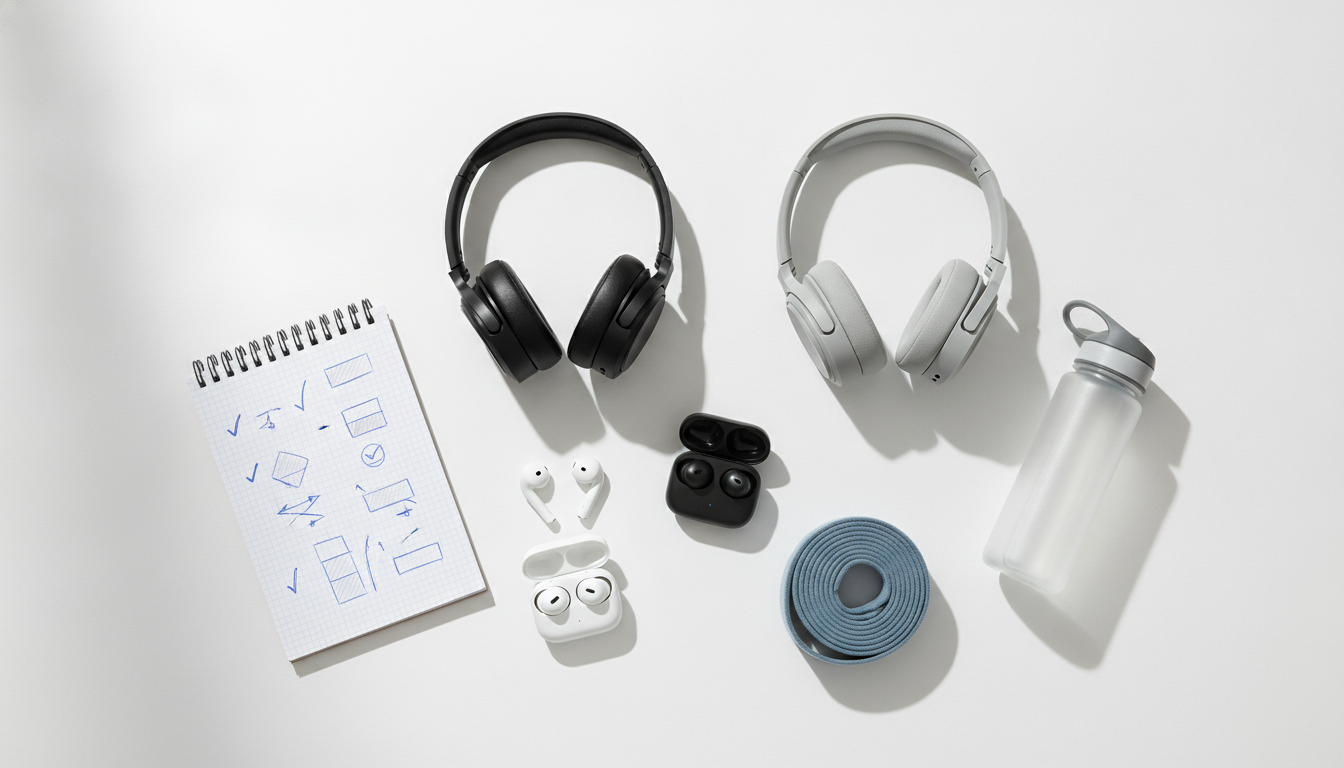
Before closing the purchase, check three things on the product you choose: if the model sold in Brazil has the Anatel approval number on the packaging, if the warranty offered by the seller is from the manufacturer or just from the retailer, and if the silicone tips or ear loop attachments come in varying sizes in the box (this is what will define whether the earbuds stay in your specific ear or not).
The sports earbuds market has matured a lot, and in 2026 it’s hard to make a big mistake buying any model from the brands mentioned in this text. What differentiates a good purchase from a frustrating one is aligning the earbud format with your training type, before looking at any other specification.