


AirPods Pro 3 vs AirPods 4 ANC: Which Is Worth More?
Apple now has two noise-canceling AirPods in its lineup, and the price difference between them is not small. On one side, the AirPods 4 with ANC arrived in 2024 as the mid-range option, bringing noise cancellation to those who didn’t want to pay for Pro. On the other, the AirPods Pro 3, launched in 2025, occupy the top of the hierarchy with features Apple reserved for the premium model. The question for anyone buying in 2026 is straightforward: does the price difference justify itself in real-world use?
The short answer is: it depends on how much you use headphones in noisy environments and whether you’re interested in hearing health features. If noise cancellation is just an occasional bonus for you, the AirPods 4 ANC deliver a very good experience for what they cost. If you spend hours daily in subways, airplanes, or open offices, the AirPods Pro 3 have a noticeably more robust ANC system, plus extra features that make a difference in everyday use. The sections below explain each criterion to help you decide with more confidence.
It’s worth noting that in Brazil, both models arrive at significantly higher prices than in the United States due to taxes and import margins. Checking availability at authorized Apple stores in the country and verifying Anatel approval before buying on international sites is the safest way to ensure local warranty and support.
Comparative Specifications
| Specification | AirPods 4 ANC | AirPods Pro 3 |
|---|---|---|
| Active Noise Cancellation | Yes | Yes (more advanced generation) |
| Transparency Mode | Yes | Yes (Adaptive Transparency) |
| Chip | H2 | H2 (second generation, per Apple) |
| Design | Without silicone tip | With silicone tip (passive fit) |
| Spatial Audio | Yes | Yes (with head tracking) |
| Volume Control | No (tap and press) | Yes (stem slide) |
| Hearing Health Features | No | Hearing protection, hearing test, hearing aid |
| Water Resistance | IPX4 | IP54 (case and earbuds) |
| Battery (earbud) | Up to 5 hours with ANC | Up to 6 hours (check updated specs) |
| Battery (total with case) | Up to 20 hours | Up to 30 hours |
| Wireless Charging | MagSafe, Qi2, Apple Watch | MagSafe, Qi2, Apple Watch |
| USB-C on Case | Yes | Yes |
| Launch Price (USA) | $179 | Check current price |
| Price Range in Brazil (2026) | Around R$ 1,300 to R$ 1,600 | Around R$ 2,000 to R$ 2,400 |
Prices vary by store, exchange rates, and promotions. Always confirm values before purchasing.
Noise Cancellation: The Criterion That Weighs Most in the Decision
Active noise cancellation (ANC) works by capturing outside sound with microphones and generating an inverse sound wave that neutralizes the noise before it reaches your ear. It’s like two waves that cancel each other when they meet. The quality of the result depends heavily on chip processing and the physical isolation of the headphone.
The AirPods 4 ANC do competent work in this regard, especially for continuous, low-frequency sounds like airplane engines and air conditioning. The problem is that the design without silicone tips compromises passive isolation, which is the physical barrier before ANC even engages. Without it, medium and high-frequency noises pass through more easily.
The AirPods Pro 3 have an advantage here for two reasons: they have silicone tips that create a physical seal in the ear canal, and they feature a more advanced version of the ANC system according to Apple. The practical result is that they block more types of noise, including voices and office sounds, where the AirPods 4 ANC show more limitation. For those using headphones on public transportation or frequent travel, this difference is noticeable.
Audio Quality and Transparency Mode
In terms of audio playback quality, both models use Apple’s H2 chip and support Spatial Audio with head tracking, which creates the sensation that sound comes from a fixed point in space even when you turn your head. According to Apple, both use custom drivers and real-time adaptive equalization.
The sound signature difference between the two is qualitative. The open design of the AirPods 4 ANC tends to produce slightly more natural and airy sound, similar to open-back headphones. The AirPods Pro 3, with passive isolation from the tips, deliver more bass presence and a more immersive environment, which is especially appealing for electronic music, podcasts, and movies.
The Transparency Mode on the AirPods Pro 3 is called Adaptive Transparency by Apple, and the practical difference is that it can reduce sudden and very loud noises, like a jackhammer or horn, without disabling the mode or distorting ambient audio. On the AirPods 4 ANC, Transparency Mode works well for conversations and traffic use, but without this layer of intelligent adaptation.
Hearing Health Features and Exclusive Pro Differentials
This is where the AirPods Pro 3 truly distance themselves from the AirPods 4 ANC, and for much of the audience it may be the deciding factor. According to Apple, the Pro 3 includes FDA-certified clinical functionality in the United States, such as real-time hearing protection, hearing acuity test right on the earbuds, and the ability to function as a hearing aid for people with mild to moderate hearing loss.
In Brazil, the regulatory situation for these health features deserves attention. Features classified as medical devices may have activation restrictions depending on Anvisa approval, in addition to Anatel approval for the product in general. Before purchasing expecting to use these functions in the country, it’s worth checking the official Apple Brazil website to see which features are available in the region.
The AirPods Pro 3 also offer volume control by sliding your finger on the stem, which seems minor but makes a difference in practical use. On the AirPods 4 ANC, volume control requires iPhone access or voice commands. The IP54 resistance of the Pro, compared to IPX4 on the AirPods 4, also means the Pro case is protected against dust and water, not just the earbuds.
Use in Brazil: Import, Warranty, and Availability
Both models are sold in authorized Apple stores in Brazil, including the official Apple website and resellers like Amazon Brasil, Magazine Luiza, and telecommunications operators. This guarantees a local one-year warranty from Apple, with support via Apple Store or authorized technical assistance, which makes a difference when something goes wrong.
Buying on international sites may seem attractive for the dollar price, but the product imported without a Brazilian invoice loses local warranty and may have functionality restrictions depending on the region. Formally importing via Remessa Conforme has its own exemption and taxation rules that change frequently; research the current rules in 2026 before trying.
Anatel approval is another point to check. Products officially sold in Brazil already come with it, but devices purchased abroad may not have it, which technically prevents legal use in the country, although in practice the daily risk is low. For those who value legal security and hassle-free support, buying through official channels is the more straightforward choice.
Frequently Asked Questions About AirPods Pro 3 and AirPods 4 ANC
Do AirPods 4 ANC work with Android?
Yes, but with reduced functionality. Basic Bluetooth connection works on any device, but features like Spatial Audio, seamless switching between Apple devices, and advanced settings require iPhone or other Apple devices. For Android users, there are alternatives from other brands that integrate better with the operating system’s ecosystem.
Is it worth upgrading from AirPods Pro 2 to AirPods Pro 3?
This decision depends heavily on how much the new hearing health features and improved ANC make sense for you. If your Pro 2s are working well and you’re not interested in hearing aid functions or acuity testing, the upgrade can wait. Check the official specs for both models side by side on Apple’s website to compare what changed.
Do AirPods Pro 3 have the hearing aid feature available in Brazil?
As of now, this feature was announced for the US with FDA approval. Availability in Brazil depends on Anvisa regulatory approval for use as a medical device. Check the official Apple Brazil page to confirm which features are active in the country before buying for this specific reason.
Which offers better value for everyday use?
For casual use, home office, and gym, the AirPods 4 ANC deliver a lot for the price. For those who travel frequently, use public transportation daily, or want hearing health features, the AirPods Pro 3 justify the larger investment. The main criterion is the intensity of use in noisy environments.
Which to Choose: Recommendation by Profile and Budget
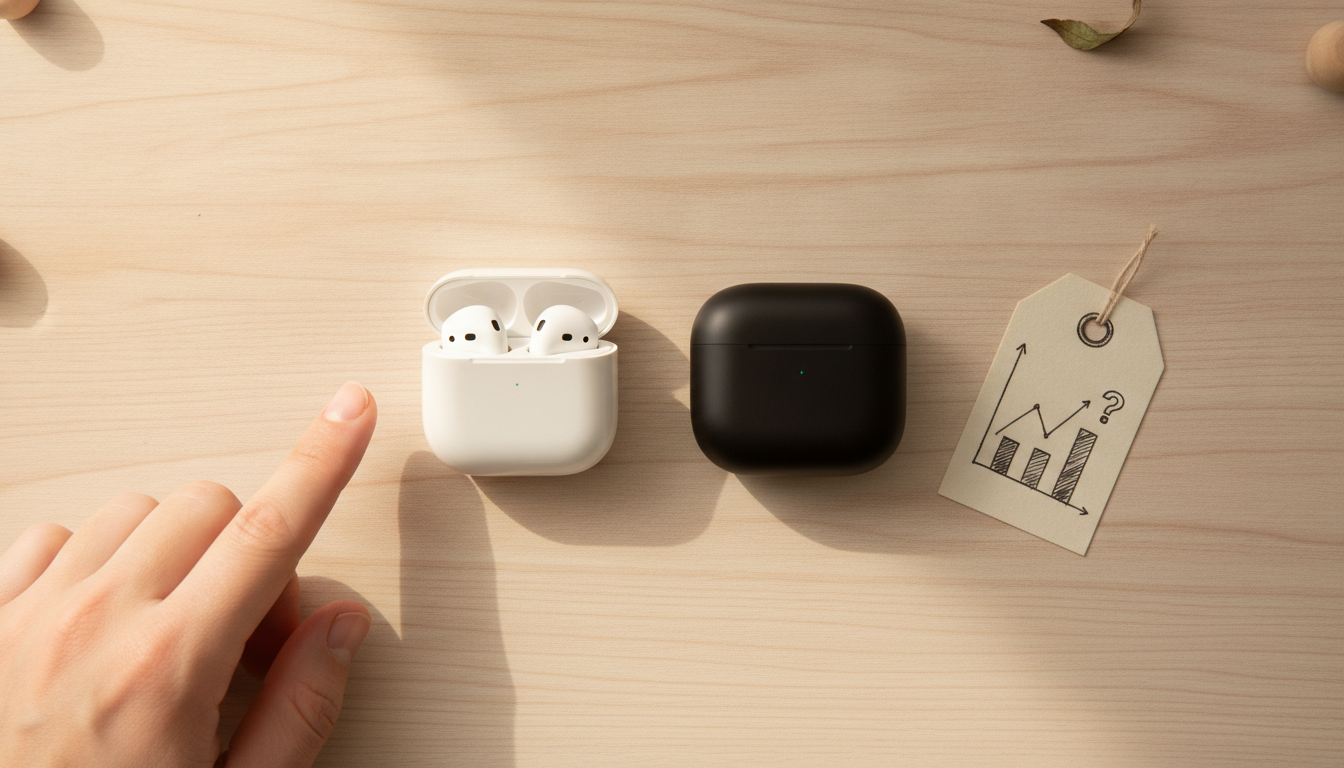
The choice between the two models is clear when you define your priorities. The AirPods 4 ANC are the smart option for those who want to enter the Apple ecosystem with noise cancellation without spending the maximum price. Their ANC is good, the audio is competent, and iPhone integration is flawless. For everyday use by those not in extremely noisy environments all the time, they deliver enough.
The AirPods Pro 3 are for those who won’t compromise on the best noise cancellation available in the lineup, use headphones for long periods, and want hearing health features, whether now or in the future. The additional investment has real return for this profile.
Recommended for AirPods 4 ANC: those who use headphones occasionally in varied environments, want ANC without paying for the top of the line, or are buying their first pair of premium headphones.
Recommended for AirPods Pro 3: those who travel frequently, work in loud places, are interested in hearing health features, or simply want the best Apple offers in the category.
Price range in Brazil (2026): AirPods 4 ANC around R$ 1,300 to R$ 1,600; AirPods Pro 3 around R$ 2,000 to R$ 2,400, with variations depending on store and promotions.