

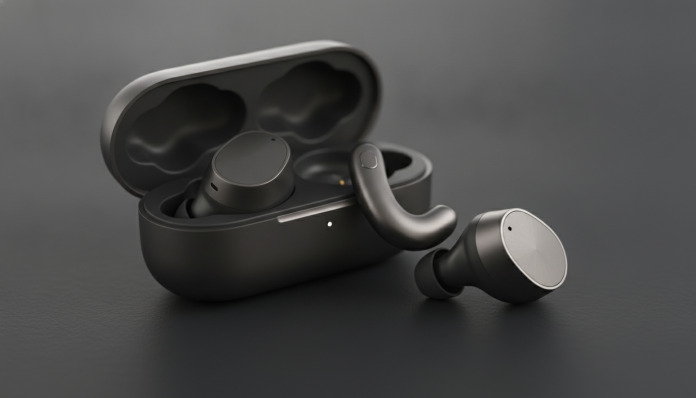

Sony WF-1000XM6: Is the World’s Best Wireless Earbuds Worth the Price Asked in Brazil?
Sony launched the WF-1000XM6 as a direct evolution of the XM5, bringing improvements in noise cancellation, more compact design, and new audio processors. On paper, it is the most advanced active noise cancellation (ANC, which uses microphones to capture and neutralize external sounds before they reach your ear) in-ear earbud the manufacturer has ever produced. The question that matters to the Brazilian reader, however, is different: at the price it arrives here, does this purchase make sense?
The short answer is: yes, for those who travel frequently, work in noisy environments, or simply demand the best in wireless audio quality. For those who use the earbuds occasionally or are focused on value for money, there are cheaper local alternatives that deliver 80% of the experience for the same money. The rest of this article will help you understand exactly where the XM6 differs and where it doesn’t differ as much.
Sony WF-1000XM6 Technical Specifications
| Specification | Details |
|---|---|
| Type | In-ear true wireless |
| Driver | Dynamic 8.4 mm |
| Noise Cancellation | Active ANC with QN3 processor |
| Audio Codecs | SBC, AAC, LDAC, LC3 (according to manufacturer) |
| Connectivity | Bluetooth 5.3, multipoint (2 devices) |
| Battery Life (Earbuds) | Up to 12 hours with ANC enabled (manufacturer claim) |
| Battery Life (With Case) | Up to 36 hours total (manufacturer claim) |
| Water Resistance | IPX4 (splashes) |
| Controls | Touch and physical pressure |
| Weight (Per Earbud) | Check official specs for exact value |
| App | Sony Headphones Connect |
| Launch Price USA | Approximately USD $349 (verify before purchasing) |
| Price Range in Brazil | Between R$ 2,200 and R$ 2,800, depending on retailer |
Noise Cancellation: The XM6’s Strongest Argument
The WF-1000XM6’s ANC is built around the QN3 processor, which Sony describes as a direct evolution of the QN2e used in the XM5. The chip processes audio signals at extremely high speed to identify noise patterns and generate inverse waves, canceling sound before it reaches your eardrum. The manufacturer claims that noise suppression was specially improved at mid frequencies, where human voices and open office sounds live.
The system uses multiple microphones in each earbud, both externally (to capture the environment) and internally (to monitor what reaches the ear canal). Sony calls this Dual Noise Sensor Technology. In practice, according to official brand information, the result is more effective on airplanes and subways than on the XM5, which was already a reference in this category.
There’s also the Speak-to-Chat mode, which automatically detects when you start talking and reduces music volume to facilitate quick conversation. It’s a detail that seems small, but users who use it daily tend to appreciate it a lot.
Audio Quality: LDAC and What It Means for You
The WF-1000XM6 supports LDAC, Sony’s own wireless audio codec that transmits up to 990 kbps of data, roughly three times more than conventional Bluetooth can handle. In practice, this means you can listen to high-resolution audio files (Hi-Res Audio) without the aggressive compression that other codecs impose.
To take advantage of this, you need two conditions: a music source in high resolution (services like Tidal HiFi or FLAC files) and a smartphone that supports LDAC (most Android devices since Android 8 support it; iPhones do not). If you listen to Spotify on the regular plan without high-quality audio files, you won’t notice practical differences compared to a cheaper earbud with AAC.
Support for the LC3 codec, used in Bluetooth LE Audio, points to future compatibility with features like audio sharing and ultra-low latency transmission. For now, practical utility depends on compatible devices, but it’s an investment in product longevity.
Battery, Comfort, and Design in Daily Use
According to the manufacturer, the XM6 delivers up to 12 hours of playback with ANC enabled on the earbuds, plus 24 more hours in the charging case, totaling 36 hours. With ANC disabled, declared battery life increases. These are competitive numbers in the premium category, sufficient for long flights without needing to charge the case.
The design underwent a redesign. Sony reduced the case size compared to the XM5 and adjusted the earbud shape to fit more ear types, according to manufacturer information. The finish is in matte plastic that resists fingerprints. IPX4 water resistance covers rain splashes and light sweat, but not submersion, so it’s not ideal for intense gym sessions. If you’re looking for something more rugged for heavy workouts, it’s worth comparing with options specifically focused on that use, like those that appear in lists of best earbuds for the gym in 2026.
The Sony Headphones Connect app lets you adjust the equalizer, choose ANC level, configure touch controls, and enable Adaptive Sound Control, which automatically identifies if you’re walking, on public transportation, or standing still and adjusts the ambient sound transparency level accordingly.
Brazil Situation: Anatel, Warranty, and Where to Buy
This is the point that most differentiates the shopping experience in Brazil. The WF-1000XM6 needs Anatel approval to be sold legally in the country. Approved products can be found through authorized Sony resellers like Amazon Brazil, Fast Shop, Magazine Luiza, and specialized electronics stores. The one-year legal warranty is guaranteed through these channels, with technical support in Portuguese.
Importing from international sites like Amazon US or BestBuy may seem cheaper, but involves real risks: import duty that can double the final price depending on shipping method, lack of local warranty, and potential homologation issues that prevent Bluetooth band use in Brazil (in practice rare, but the risk exists). Always calculate the real cost before choosing importation.
The R$ 2,200 to R$ 2,800 range the product has been reaching in Brazil reflects exchange rate conversion plus IOF and taxes. The launch price in the United States was around USD $349, so the calculation doesn’t look too bad considering the Brazilian tax burden on imported electronics. Still, it’s a high value that deserves reflection.
Pros and Cons
Pros:
- ANC among the most effective available in in-ear earbuds, according to specs and official manufacturer positioning
- LDAC support for wireless high-resolution audio
- Total battery life of up to 36 hours (earbuds plus case, manufacturer claim)
- More compact design than previous model
- Well-developed Adaptive Sound Control and software features
- Multipoint to connect two devices simultaneously
- Support for LC3 codec for future Bluetooth LE Audio compatibility
Cons:
- High price in Brazil, above R$ 2,000 on most channels
- IPX4 limits use in intense workouts with heavy sweat
- LDAC and Hi-Res Audio only make a difference with high-quality music sources and compatible Android
- iPhone users miss out on LDAC codec
Competitors and Alternatives in Brazil
| Product | Price Range (BR) | ANC | Codecs | Highlight |
|---|---|---|---|---|
| Sony WF-1000XM6 | R$ 2,200 to R$ 2,800 | Yes (QN3) | SBC, AAC, LDAC, LC3 | Reference ANC, LDAC |
| Apple AirPods Pro 2 | R$ 1,800 to R$ 2,200 | Yes | SBC, AAC | Best integration with iPhone |
| Bose QuietComfort Earbuds 2 | R$ 1,900 to R$ 2,400 | Yes | SBC, AAC | ANC rival to Sony |
| Samsung Galaxy Buds3 Pro | R$ 1,400 to R$ 1,800 | Yes | SBC, AAC, SSC | Good option for Galaxy users |
| Sony WF-1000XM5 | R$ 1,500 to R$ 2,000 | Yes (QN2e) | SBC, AAC, LDAC | Cheaper XM6 with discount |
The AirPods Pro 2 is the obvious choice for those living in the Apple ecosystem, since the iPhone simply doesn’t take advantage of the XM6’s LDAC. The Bose QC Earbuds 2 is a direct competitor in ANC quality and solid construction. The Galaxy Buds3 Pro makes sense for those using Samsung phones with One UI. And the XM5 itself, still available with discounts, is an honest alternative if the generation difference doesn’t justify the extra price for your case.
Frequently Asked Questions about the Sony WF-1000XM6
Does the XM6 work well with iPhone?
It does, but with limitations. iPhone doesn’t support LDAC, so audio transmission occurs via AAC, which is good quality codec, but doesn’t use the full potential of the earbuds. ANC and app features work normally. If you’re a committed Apple user, the AirPods Pro 2 probably delivers better system integration at a similar or lower price.
Is it worth importing instead of buying in Brazil?
It depends on the total value. Orders over USD $50 are already subject to import duty in Brazil, which can significantly increase the purchase. Plus, the warranty doesn’t cover technical support in Brazil in case of defect. Do the full calculation before deciding.
Is the XM6 better than the XM5 for daily use?
For most everyday situations, the difference is noticeable but not radical. The XM6 brings improved ANC at mid frequencies, more compact design, and the LC3 codec. If you already have the XM5 in good condition, the upgrade isn’t mandatory. If you’re buying from scratch, the XM6 justifies the price if you find it with small difference compared to the XM5.
Does the earbud have Anatel approval?
Units sold by authorized resellers in Brazil should have Anatel approval. Ask the seller for confirmation and check the approval number on the packaging or Anatel website before finalizing purchase, especially on non-official channels.
Is the Sony WF-1000XM6 Worth It?

The WF-1000XM6 is, according to specs and Sony’s official positioning, the most complete in-ear noise cancellation earbud the brand has ever launched. The advanced ANC, LDAC support, 36-hour battery life, and refined software make it a purchase difficult to criticize technically. The problem is the price in Brazil, which puts the product in a range where competition is also strong.
If you invest in audio quality, travel frequently, work in noisy environments, or simply want the best available without compromising usability, the XM6 delivers exactly what it promises. Just like when choosing a gaming monitor with balanced value for money, the key is knowing whether the extra specs translate to real benefit for your daily use, not just on paper.
Recommended for: Android users who travel frequently, work in noisy environments, and want the best available in-ear ANC; those who already use Hi-Res music services and want to take advantage of LDAC.
Price Range: between R$ 2,200 and R$ 2,800 in Brazil through authorized resellers (prices subject to change; verify before purchasing).