

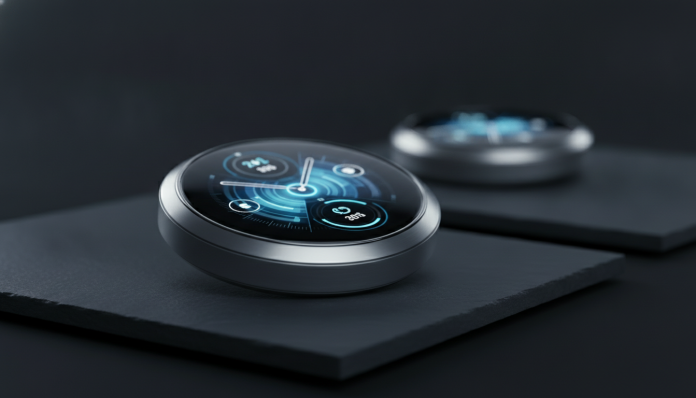

The Huawei Watch GT 5 Pro arrived on the international market in 2024 and, even in 2026, continues to appear in searches from those wanting a beautiful smartwatch with long battery life and health features. In Brazil, it never had an official launch by Huawei, which puts the consumer on a path full of nuances: importation, limited warranty, and lack of Anatel certification. The question that remains is whether it’s worth the effort and money.
The short answer: it’s worth it for a very specific profile. If you prioritize battery autonomy above all else, like differentiated design with titanium and sapphire finishing, and don’t rely on Google or Apple’s ecosystem, the GT 5 Pro has concrete arguments. But if you use Android and want full integration with everyday apps, or if you simply don’t want the hassle of importation, there are simpler alternatives to have in Brazil.
Huawei Watch GT 5 Pro Technical Specifications
| Specification | Detail |
|---|---|
| Launch | October 2024 |
| Sizes | 46 mm and 42 mm |
| Case | Aerospace-grade titanium grade 2 |
| Glass | Sapphire crystal |
| Display | AMOLED, 1.43″ (46 mm) / 1.32″ (42 mm) |
| Resolution | 466 x 466 pixels (46 mm) |
| Processor | Kirin A2 (Huawei proprietary) |
| Internal Storage | 4 GB |
| RAM | Not officially disclosed |
| Battery | 530 mAh (46 mm) |
| Declared Autonomy | Up to 14 days (typical use), up to 21 days economy mode |
| Charging | Proprietary magnetic wireless |
| GPS | Yes, multi-system (GPS, GLONASS, BeiDou, Galileo, NavIC) |
| Health Sensors | Heart rate, SpO2, skin temperature, ECG, estimated glucose* |
| Water Resistance | 5 ATM + IP68 |
| Operating System | HarmonyOS 4.3 |
| Connectivity | Bluetooth 5.3, Wi-Fi (selected models) |
| Compatibility | Android 8+ / iOS 15+ (Huawei Health app) |
| Anatel Certification | Not available (no certification for Brazilian market) |
*Glucose estimation depends on firmware and market; verify availability before purchasing.
Design and Display: Where the Watch Shines Most
The GT 5 Pro 46 mm uses aerospace-grade titanium and sapphire crystal glass, the same material as luxury wristwatches. In practice, this means scratch resistance far superior to common tempered glass. Anyone who has broken or scratched a smartwatch screen will understand the difference in daily use.
The 1.43-inch AMOLED display has a resolution of 466 x 466 pixels and, according to Huawei, reaches adequate brightness for outdoor environments. The circular design follows the line of previous GT models, with thin bezels and a physical crown that serves as a navigation shortcut. For a product that competes visually with entry-level analog watches, it performs well.
The 42 mm model has a slightly smaller display and reduced battery, with declared autonomy of up to 7 days in typical use. If you have a smaller wrist or prefer a more discreet watch, it’s worth considering, but you lose significant autonomy, which is the product’s main selling point.
Battery and Autonomy: The Most Concrete Differentiator
Fourteen days of autonomy in typical use is the number Huawei announces for the 46 mm. This includes continuous heart rate monitoring and active notifications. In power-saving mode, the manufacturer mentions 21 days. These are Huawei’s declared numbers; in real-world use, factors like notification frequency, active GPS, and screen brightness reduce autonomy.
Compared to direct competitors like the Samsung Galaxy Watch 7 and Apple Watch Series 10, which range between 18 and 60 hours depending on the model and usage mode, the GT 5 Pro advantage is significant. For those who travel frequently or simply don’t want to remember charging the watch every two days, this matters for real.
Charging is wireless with a proprietary magnetic base. This means if you forget the cable at home, there’s no easy replacement. It’s a point of attention for frequent travelers.
Health and Software: Works Well, But with Real Limitations
The GT 5 Pro brings a robust set of sensors: continuous heart rate, blood oxygen (SpO2), skin temperature, electrocardiogram (ECG), and, in some regions and firmware versions, estimated blood glucose without puncture. The latter function uses machine learning algorithms and optical reading to estimate glucose variation, is not a certified clinical measurement, and does not replace a glucometer. Check the technical sheet of the version you’re buying to see if this function is active.
The operating system is HarmonyOS, developed by Huawei. It operates independently, without Google dependency, which may seem like an advantage but has a cost: Huawei’s app store (AppGallery) has less variety of third-party apps compared to Google Play or the App Store. Spotify, for example, has no native version for the watch. If you use many third-party apps on your smartwatch, this point weighs.
Integration with Android is done via the Huawei Health application, which works on Android 8 or higher smartphones. With iPhones iOS 15 or higher, compatibility also exists, but is more limited. Synchronization is stable for health monitoring and notifications, but responses to messages directly from the watch depend on the paired phone’s system.
Brazilian Context: Importation, Anatel, and Warranty
The Huawei Watch GT 5 Pro does not have Anatel certification, the Brazilian regulatory body that certifies electronic devices for legal use in the country. Without this certification, the product cannot be sold officially in Brazilian stores. This doesn’t necessarily mean the watch will be held at customs, but it does mean that importation is the buyer’s responsibility and that any customs issues are a real risk.
Buying via parallel importation, on sites like AliExpress, Shopee, or unauthorized resellers, the price ranges around R$ 1,800 to R$ 2,500 depending on the version and current exchange rate. The international launch price was approximately $400 for the 46 mm. Remember that the exchange rate, import taxes, and platform fees significantly alter the final value.
Warranty is another critical point. Without official Huawei technical support in Brazil for this product, any defect will likely require overseas shipping or negotiation with the import seller. If this is something that bothers you, it’s an elimination factor.
Those seeking a worry-free shopping experience in Brazil, with an invoice, local warranty, and support, will have more security with alternatives that have official presence in the country. If you’ve already researched other imported gadgets and are comfortable with this process, the risk drops significantly, but doesn’t disappear entirely.
Pros and Cons
Pros:
- Battery autonomy far superior to the average of competitors
- Differentiated design with titanium and sapphire crystal
- High-quality AMOLED display with good resolution
- Precise multi-system GPS, according to official specification
- Robust set of health sensors
- Compatible with Android and iOS via Huawei Health
- Water resistance 5 ATM + IP68
Cons:
- No Anatel certification and no official sales in Brazil
- Limited warranty and technical support in the country
- Proprietary app ecosystem with fewer third-party options
- Proprietary magnetic charger, no universal replacement
- Glucose function is not certified clinical measurement
- Autonomy can vary greatly from declared depending on actual use
- iPhone integration is functional but limited
Competitors and Alternatives in Brazil
| Model | System | Declared Autonomy | Approximate Price in Brazil | Availability |
|---|---|---|---|---|
| Huawei Watch GT 5 Pro 46mm | HarmonyOS | Up to 14 days | R$ 1,800 to R$ 2,500 (importation) | Parallel importation |
| Samsung Galaxy Watch 7 (44mm) | Wear OS / One UI Watch | Up to 40 hours | R$ 1,800 to R$ 2,200 | Official, with Anatel |
| Apple Watch Series 10 | watchOS | Up to 18 hours | R$ 4,500 to R$ 6,000 | Official, with Anatel |
| Xiaomi Watch S4 | HyperOS Watch | Up to 15 days | R$ 900 to R$ 1,200 | Partially official |
| Amazfit GTR 4 | Zepp OS | Up to 26 days | R$ 800 to R$ 1,100 | Parallel importation |
The Samsung Galaxy Watch 7 is the most balanced alternative for Android users who want integration with Google, complete apps, and official support in Brazil. Those already in the Apple ecosystem have no other choice but the Apple Watch for full integration. The Amazfit GTR 4, despite being older, is still an interesting choice for those who want long autonomy with lower investment.
Curiously, purchase decisions in the gadget market often involve tradeoffs that recall PC hardware choices, like the difference between SSD SATA or NVMe: which to choose for your PC, where the best on paper is not always the most suitable for your context of use and budget.
Frequently Asked Questions About the Huawei Watch GT 5 Pro
Does the Huawei Watch GT 5 Pro work with iPhone?
Yes, it works via the Huawei Health app, available on the App Store. Compatibility covers health monitoring, notifications, and physical activity, but features like responding to messages directly from the watch may be limited depending on the iOS system.
Can I buy the GT 5 Pro with warranty in Brazil?
There is no official Huawei warranty in Brazil for this model, as it has no official sales in the country. When buying from importation resellers, the warranty is restricted to the seller’s policy, which tends to be more limited than factory warranty.
Is the glucose measurement function available in Brazil?
Not officially. The availability of this function depends on the firmware version and the region configured on the device. Even where available, it’s an algorithmic estimate, not a clinical measurement, and does not replace medical equipment.
Is it worth paying more for the 46 mm model instead of the 42 mm?
If battery autonomy is a priority, yes. The 46 mm model has a 530 mAh battery and declared autonomy of up to 14 days, while the 42 mm reaches up to 7 days in typical use. The physical size difference is also an aesthetic factor that depends on wrist size and personal preference.
Is It Worth It?
The Huawei Watch GT 5 Pro is a well-built product, with battery autonomy that puts many competitors to shame and a design that rivals much more expensive watches. For those with experienced importer profile and don’t depend on third-party apps on the watch, it delivers what it promises.
The problem is that, in the Brazilian context, the barriers are real: no Anatel certification, no official support, and limited application support from HarmonyOS. These points are not minor details, especially if you have any hardware problems after purchase.
Recommended for: users who prioritize battery autonomy above all else, are comfortable with parallel importation, don’t depend on third-party apps on the watch, and want a smartwatch with premium finishing without paying Apple Watch prices.
Price range: R$ 1,800 to R$ 2,500 in parallel importation, varying with exchange rate and platform. Always check the value of import taxes before closing the purchase.