

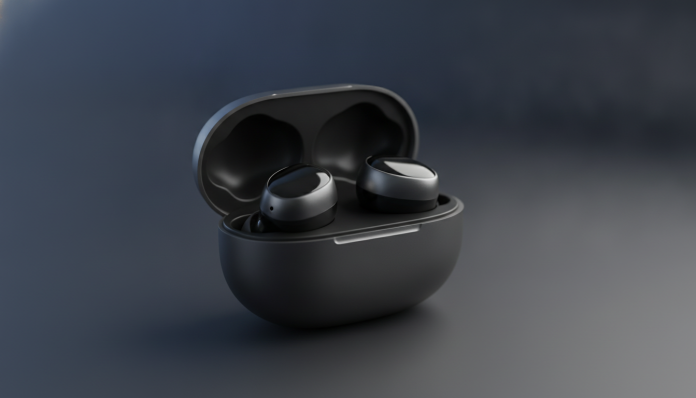

QCY T13 ANC 2 in 2026: Is It Worth the Investment?
The QCY T13 ANC 2 is a wireless in-ear headphone with active noise cancellation, produced by Chinese audio brand QCY, which already has some track record in the accessible audio segment. The model arrived positioned as a cost-benefit option for those who want ANC (Active Noise Cancellation, an electronic system that analyzes ambient sound and generates a counter-wave to neutralize it) without spending the equivalent of a Sony WF-1000XM5 or AirPods Pro. In 2026, with the TWS market (True Wireless Stereo, the two independent wireless pieces) increasingly competitive, the question is fair: is it still worth it, or has it fallen behind?
The short answer is: it depends on how much ANC matters to your decision and how much you’re willing to spend. For casual use, public transport, and home office with moderate noise, the T13 ANC 2 delivers what it promises within its price category. Those who need intense isolation for industrial environments or long flights will feel the limitations. Let’s detail each point so you can decide clearly.
QCY T13 ANC 2 Specs
| Specification | Details |
|---|---|
| Type | TWS in-ear |
| Driver | 10 mm dynamic |
| ANC | Yes, hybrid (check depth in official specs) |
| Transparency Mode | Yes |
| Codecs | SBC, AAC (verify LDAC support with seller) |
| Bluetooth | 5.3 |
| Frequency Response | 20 Hz – 20 kHz |
| Microphones per Earbud | 3 (according to manufacturer) |
| Battery (earbud) | Approximately 6 hours with ANC active |
| Battery (total with case) | Up to 30 hours (without ANC) |
| Water Resistance | IPX5 |
| Charging | USB-C |
| Case Weight | Approximately 40 g |
| Control App | QCY (iOS and Android) |
> Battery values are manufacturer-declared. Real battery life varies based on volume, ANC enabled, and usage conditions.
Sound Quality: What to Expect from a 10 mm Driver
The QCY T13 ANC 2 uses a 10 mm dynamic driver, the most common type in in-ear headphones. Dynamic drivers tend to deliver bass with more body than balanced-armature drivers (used in studio monitors), and this usually appeals to those who enjoy music with strong drums, electronic, and pop.
According to official specifications, frequency response runs from 20 Hz to 20 kHz, which covers the entire audible human spectrum. However, this doesn’t mean all these extremes sound good in practice. What matters is how the EQ curve was adjusted from the factory. The QCY app allows EQ adjustment, which is a concrete advantage: you can soften the highs if you find them aggressive or boost the midrange for voice in podcasts.
For audiophiles who prioritize neutrality and detail above all else, the T13 ANC 2 isn’t the product. But for daily use and streaming consumption, it does the job without disappointing.
ANC and Transparency Mode: The Central Point of Decision
Active noise cancellation is the main selling point of the T13 ANC 2. QCY describes the system as hybrid, meaning it uses microphones on both the external part (to capture environmental noise) and internal part (to capture residual sound that still reaches the ear). This method is more efficient than external-only ANC, which is more common in entry-level headphones.
In practice, hybrid ANC in affordable headphones has variable performance. In environments with constant and predictable noise, such as fans, air conditioning, and bus engines, the result tends to be satisfactory. With sudden and irregular noise, such as conversations and variable traffic, the cancellation is partial. QCY doesn’t disclose the attenuation level in decibels in publicly available materials, so readers should avoid comparing this number with competitors unless they find reliable independent sources.
Transparency mode, which amplifies external sound so you can hear the environment without removing the earbuds, is useful in specific situations like crossing a street or answering someone. The quality of this mode varies greatly between products, and it’s something you only evaluate with the product in hand. Ask someone who has already purchased before deciding if this is a priority for you.
Connectivity, Microphone, and Calls
Bluetooth 5.3 ensures stable connection in most scenarios and lower latency than earlier protocol versions. For use with video on your phone, noticeable latency also depends on the codec and device. If your focus is competitive mobile gaming, the T13 ANC 2 is probably not the best choice; for movies and music, it shouldn’t be a relevant issue.
Each earbud has three microphones, according to the manufacturer. This arrangement aims to isolate your voice from background noise during calls, using a technique called beamforming, which directs capture toward the voice source and reduces environmental noise. The actual result depends on the signal processing implemented, and QCY doesn’t publicly detail the algorithms used. For calls in quiet environments, it tends to work well. In busy streets, expect variability.
Battery, Case, and Daily Experience
The declared battery life is approximately 6 hours on the earbuds with ANC active, and up to 30 hours including the case without ANC. With ANC on all the time, the total drops considerably, which is common in this category. Headphones that promise extremely high battery life with ANC active are usually counting without noise cancellation or with low volume.
USB-C charging is a clear positive point in 2026, when the standard is already consolidated. Not having to keep a separate micro-USB cable makes a difference in daily use. IPX5 water resistance covers splashes and sweat, which is sufficient for the gym and walking, but not for diving or prolonged heavy rain.
The case is compact and fits in your pocket. The magnetic fit keeps the earbuds in place without falling when you open the lid. These seem like minor details, but they affect the perception of quality in real use.
QCY T13 ANC 2 in Brazil: Certification, Warranty, and Where to Buy
This is a point every Brazilian buyer needs to consider. QCY is a brand that often operates through parallel channels and direct imports. Check if the product you’re buying has Anatel certification (the mandatory certification in Brazil for devices that transmit radio signals, such as Bluetooth). Without it, the product may be held at customs if imported, and official resellers in Brazil need to sell only certified versions.
Warranty depends on the purchase channel. Brazilian stores that sell the product officially usually offer at least a 90-day warranty by law, with the possibility of extended manufacturer warranty. On direct purchases from international marketplaces like AliExpress, the warranty is with the foreign seller, and any issues require dealing with support outside the country and, eventually, shipping costs. If you want a broader view on how to evaluate cost-benefit of affordable Asian brand electronics in the Brazilian market, the complete QCY T13 ANC 2 review in English brings a useful complementary perspective.
The price range in Brazil varies greatly depending on the channel. In marketplaces with domestic shipping, the T13 ANC 2 is usually found between R$ 150 and R$ 250. Imported directly, the price may be lower, but includes customs risk and lack of local support. The launch price in the US was around US$ 30 to US$ 40; for reference, that’s less than half what competitors with ANC cost in the American market.
Pros and Cons
Pros:
- Affordable price for hybrid ANC earbuds
- USB-C charging, compatible with current standard
- App with customizable EQ (iOS and Android)
- IPX5 resistance for gym use
- Bluetooth 5.3 with stable connection
- Total battery life over 20 hours with case
Cons:
- ANC has limitations with irregular and intense noise
- No public confirmation of LDAC support (check with seller)
- Microphone performance in noisy environments is unpredictable
- Warranty and support in Brazil depend heavily on purchase channel
- No clear indication of Anatel certification from all resellers
Competitors and Alternatives in Brazil
| Product | Price Range (BR) | ANC | Differentiator |
|---|---|---|---|
| QCY T13 ANC 2 | R$ 150 – R$ 250 | Yes, hybrid | Cost-benefit, app with EQ |
| Xiaomi Redmi Buds 5 Pro | R$ 250 – R$ 400 | Yes | Brand with more consolidated support |
| JBL Tune 230NC TWS | R$ 250 – R$ 450 | Yes | Availability in physical stores, local warranty |
| Samsung Galaxy Buds FE | R$ 350 – R$ 500 | Yes | Integration with Samsung Android |
| Edifier X2 Pro | R$ 150 – R$ 220 | No | Sound quality for the price, no ANC |
> Prices are approximate and subject to variation based on promotions and exchange rates.
Frequently Asked Questions about the QCY T13 ANC 2
Does the QCY T13 ANC 2 have Anatel certification?
QCY has been seeking to certify some models in Brazil, but the situation can vary by batch and reseller. Before buying, ask the seller for the Anatel certification number or check the agency’s website by model name. Without this number, you may have problems in case of direct import.
Is the T13 ANC 2’s ANC good for subway and buses?
For constant noise like subway engines and bus ventilation, noise cancellation tends to work acceptably within its price category. Don’t expect the isolation level of premium headphones like Sony or Bose. For occasional public transport use, it suffices; for long trips as the main function, evaluate more robust options.
Does the QCY app work well on Android and iOS?
According to public user reports and the brand’s own disclosure, the QCY app is available for both platforms. It allows EQ adjustment, gesture configuration, and sound mode switching. Experience consistency may vary between operating system versions; check recent comments before assuming everything works perfectly on your device.
Can I use the T13 ANC 2 at the gym?
Yes. IPX5 certification covers sweat and water splashes, which is sufficient for most workouts. The in-ear design with silicone tips helps with fit. If you do high-intensity sports or want to use it running in the rain, verify that the fit with the correct tip size is secure in your ear.
Is It Worth Buying the QCY T13 ANC 2 in 2026?
The T13 ANC 2 is an honest product within what it proposes. It won’t compete with headphones three times the price, and it would be unfair to demand that. What it delivers, according to official specifications and the brand’s positioning, is functional ANC, reasonable battery life, USB-C charging, and an app with audio personalization at a price that’s still hard to beat in the segment.
If you’re comparing this model with other affordable options and want a reference on how to evaluate gadgets from Asian brands that arrive in Brazil, the process is similar to what we applied when analyzing smartwatches like the Haylou Watch 3: real cost-benefit depends on the purchase channel, available warranty, and how much each specification weighs in your use.
Recommended for: those who want their first ANC headphones without spending over R$ 250, use the headphones mainly on public transport and home office with moderate noise, and don’t mind buying through an import channel with attention to Anatel certification.
Price range: R$ 150 to R$ 250 in national marketplaces; launch price in the US around US$ 30 to US$ 40. Values subject to variation based on exchange rates and promotions.