

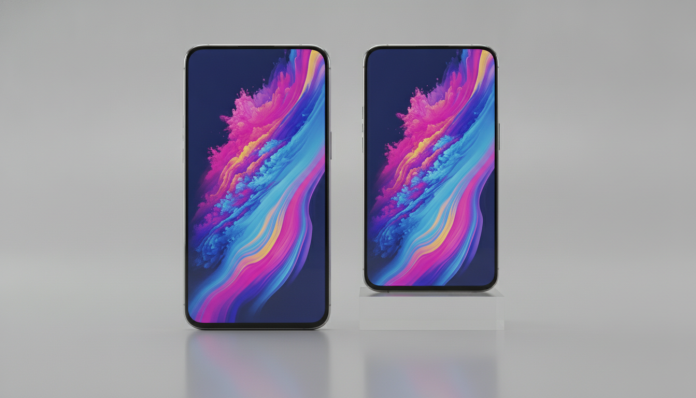

iPhone 17e vs. Future iPhone 18e: How to Decide Between Buying Now or Waiting
The iPhone 17e was launched in early 2026 as Apple’s entry-level model, featuring the A16 Bionic chip (the same processor that powered the iPhone 14 Pro in 2022) and bringing back the compact design with a 6.1-inch OLED display. It exists for a specific audience: those who want the Apple experience at a more accessible price than Pro models. If you’re torn between buying the 17e now or saving your money for the 18e, the short answer depends on one question alone: do you need an iPhone today, or are you willing to wait until at least Q2 2027?
This comparison will help you make that decision based on facts and your usage profile, without empty promises about what the 18e “probably” will have. What’s known about the successor is still limited, and you’ll see here what is confirmed, what is market speculation, and what depends on verification in the technical sheet when the product actually exists.
iPhone 17e Technical Specifications (Official Apple Data, 2026)
| Specification | iPhone 17e |
|---|---|
| Display | 6.1″ OLED, 2532 x 1170 px, 460 ppi |
| Processor | Apple A16 Bionic |
| RAM | 8 GB |
| Storage | 128 GB / 256 GB |
| Rear Camera | 48 MP (main), single camera system |
| Front Camera | 12 MP, TrueDepth (Face ID) |
| Battery | According to Apple, up to 26 hours of video playback |
| Connectivity | 5G, Wi-Fi 6, Bluetooth 5.3, USB-C |
| Operating System | iOS 18 (with upgrade to iOS 19 confirmed) |
| US Launch Price | Starting at $599 |
| Brazil Price Range | Starting from R$ 4,500 (varies by retailer and exchange rate) |
The price in Brazil is only a reference and changes according to the dollar, taxes, and retailer margins. Always confirm the current price before completing your purchase.
What the iPhone 17e Actually Delivers
The A16 Bionic is not Apple’s latest chip (that honor belongs to the A18 in iPhone 16 and A18 Pro in Pro models), but it’s still a very capable processor. For everyday use, social media, streaming, photography, and even light video editing, it won’t let you down. The problem appears when you think about longevity: Apple typically supports its chips for years, but devices with older chips tend to exit the update cycle sooner.
The single 48 MP camera is the point that divides opinions most. According to Apple, the system delivers good photos under normal lighting conditions, with the A16’s Neural Engine helping considerably. What you lose is versatility: no telephoto, no ultra-wide. If you like framing variety or shoot frequently in low-light environments, the 17e will frustrate you at some point.
The 460 ppi OLED display has excellent visual quality for its size. The absence of ProMotion (120 Hz refresh rate, which makes scrolling smoother) is a negative point you’ll notice in daily use, especially if you’ve already used a Pro model. For those coming from a mid-range Android or an older iPhone, the difference is less noticeable.
What’s Known (and Unknown) About the iPhone 18e
Here begins the uncertainty zone. The iPhone 18e hasn’t been released in 2026 yet, and Apple doesn’t make advance announcements about products. What circulates are leaks and analyses from analysts like Ming-Chi Kuo and reports from TF International Securities, which tend to get general trends right but rarely confirm specifications exactly.
What is expected, based on Apple’s historical pattern for the “e” line:
- Processor likely to be more recent, possibly A17 or A18 (confirm in the technical sheet when available)
- Possible improvement in the camera system, but no guarantee of multiple cameras
- Design probably very similar to the 17e
- Launch price range of $599 to $649, unconfirmed
What has absolutely no basis are claims like “the 18e will have a 60 MP camera” or “it will have 30% larger battery”. These numbers don’t exist in reliable sources and shouldn’t influence your decision now.
Direct Comparison: What Changes Between “e” Generations
To understand what to expect from the jump from 17e to 18e, it’s worth looking at the historical pattern of previous “e” line versions.
| Criterion | iPhone 15e (SE 3rd Gen., 2022) | iPhone 16e (2025) | iPhone 17e (2026) |
|---|---|---|---|
| Processor | A15 Bionic | A16 Bionic | A16 Bionic |
| Design | iPhone 8 | iPhone 14 | iPhone 14 |
| Cameras | 12 MP, 1 lens | 48 MP, 1 lens | 48 MP, 1 lens |
| Display | LCD 4.7″ | OLED 6.1″ | OLED 6.1″ |
| Face ID | No | Yes | Yes |
The conclusion that historical data suggests is that Apple renews chips every two generations in the “e” line and keeps the design for longer. From 16e to 17e, for example, the chip didn’t change. This suggests that the 18e could come with a new chip, which would be a real leap. But it could also repeat the pattern and keep the A16 for one more cycle.
Brazilian Context: Homologation, Warranty, and Import
The iPhone 17e is homologated by Anatel for sale in Brazil, which means you can buy it at official stores (Apple Store, carriers, and authorized resellers) with a one-year manufacturer’s warranty plus consumer protection rights under the Consumer Defense Code.
Buying via informal imports (like international shopping sites or abroad) may be cheaper in dollars, but it eliminates coverage from Apple Brazil and can cause customs issues. An informally imported iPhone 17e without a Brazilian invoice has no local warranty, and repairs at authorized service centers can be expensive or refused. If the domestic price is heavy on your wallet, consider installment payments on a credit card at physical stores or platforms like Magazine Luiza and Amazon Brasil, where the model usually appears on promotions.
If you’re evaluating other accessories for your Apple ecosystem while deciding, it might be useful to read reviews of complementary products. For example, if you use the iPhone as a work tool alongside other devices, the discussion about does tablet replace notebook for work in 2026? can help you put together a more complete setup without wasting money.
Which One to Choose: Decision Profiles by Real Situation
Not everyone is in the same situation. The recommendation changes quite a bit depending on your current scenario.
Buy the iPhone 17e now if:
- Your current iPhone is more than 4 years old and already shows slowdowns or battery degradation
- You need Apple Pay, Face ID, or MagSafe accessory compatibility today
- You don’t use the camera intensively or professionally
- Your budget can’t handle waiting another 12 to 14 months
- You’re switching from Android and want to enter the Apple ecosystem without paying Pro prices
Wait for the iPhone 18e if:
- Your current device still works well for another year
- You want the latest chip to guarantee more years of updates
- You’re buying your first iPhone and want to maximize support time
- You have financial flexibility and patience to wait for the launch and price drop of the 17e
It doesn’t make sense to wait if:
- Your current phone broke or is unusable
- You need a working phone now for work
- The 18e is confirmed to have a chip similar to the 17e (which would make the jump marginal)
Frequently Asked Questions About iPhone 17e and iPhone 18e
Does the iPhone 17e get updated to iOS 19?
Yes. Apple confirmed that the iPhone 17e will be updated to iOS 19. The company maintains support for at least 5 to 6 years on its devices, so the 17e should receive updates until approximately 2031 or 2032, depending on Apple’s future policy.
Does the iPhone 17e have 5G in Brazil?
Yes, the model homologated for Brazil includes support for 5G sub-6 GHz, compatible with the frequency bands used by major Brazilian carriers. Confirm with your carrier the availability of 5G network in your city before considering this a decisive differentiator.
Is It Worth Importing the iPhone 17e from the US to Save Money?
It depends on how much you’re willing to give up. The price difference can be significant, but you lose local warranty from Apple Brazil and are subject to import taxation. The exemption limit for imported products in Brazil is $50 per individual via postal remittance, and cell phones are typically taxed. The risk usually doesn’t justify it for those without import experience.
Will the iPhone 18e Have a Dual Camera?
There is no confirmation from Apple or reliable sources about this at the moment. The “e” line historically keeps a single camera while Pro models receive the most advanced multi-camera systems. It’s possible that the 18e will bring some sensor improvement, but multi-camera remains speculation without confirmed basis.
The Final Decision is About Time, Not Specification
If you compare the numbers coldly, waiting for the 18e always seems like the rational choice. But smartphones are everyday tools, and a broken or slow phone today has a real cost to your routine. The iPhone 17e is a solid product, with guaranteed support for years and performance sufficient for the vast majority of uses.
The practical rule for this kind of decision is simple: if your current phone still lasts the day and responds well, wait. If you’re already suffering from slowdowns, battery issues, or a cracked screen, the 17e is a good purchase in 2026, without regrets. The 18e, when it arrives, will be better at something. The next model always is. The question is how much quality of life you lose waiting for it.