

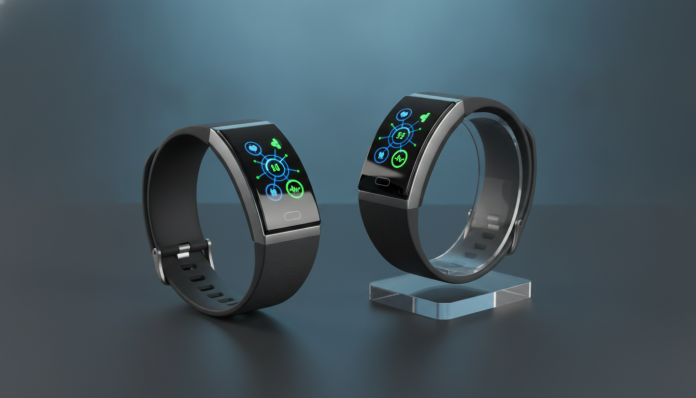

Galaxy Fit 3 vs Xiaomi Smart Band 10: criteria that define your choice
Two of the best-selling smartbands in Brazil in 2025 and 2026 continue competing for the same budget: Samsung’s Galaxy Fit 3 and Xiaomi Smart Band 10. Both cost less than R$ 300 at most stores, offer health monitoring, color screens, and batteries that last for days. The difference between them, however, goes beyond the price tag and becomes clear when you look at the ecosystem, build quality, and who each one was designed for.
The short answer: if you use Samsung Android and want the most integrated experience possible, the Galaxy Fit 3 delivers something the Smart Band 10 can’t replicate. If you want the best value for health monitoring on any Android smartphone, the Smart Band 10 is hard to beat. For iPhone users, neither is the ideal choice, but the Smart Band 10 has broader compatibility.
This comparison will help you decide based on real data, without empty promises.
Comparative specifications sheet
| Specification | Galaxy Fit 3 | Xiaomi Smart Band 10 |
|---|---|---|
| Launch | February 2024 | June 2024 |
| Display | AMOLED 1.6 in., 256 x 402 px | AMOLED 1.62 in., 192 x 490 px |
| Resolution (ppi) | 282 ppi | 326 ppi |
| Processor | Not disclosed by Samsung | Not disclosed by Xiaomi |
| Internal memory | 256 MB | Not publicly specified |
| Battery | 247 mAh | 233 mAh |
| Battery life (manufacturer) | Up to 13 days | Up to 21 days |
| GPS | Connected (uses phone GPS) | Connected (uses phone GPS) |
| Water resistance | 5 ATM | 5 ATM |
| NFC | No | No |
| Compatibility | Android 10+ | Android 6+ and iOS 14+ |
| Weight | 26.5 g (with strap) | 27.9 g (with strap) |
| Price range (Brazil, 2026) | R$ 220 to R$ 280 | R$ 180 to R$ 250 |
| Launch price (USA) | US$ 59.99 | US$ 39.99 |
Prices vary by store and period. Check updated prices on marketplaces like Mercado Livre, Amazon Brasil, and official brand stores.
Display and design: two different approaches for the same size
Looking at the specs, both displays seem nearly identical. But there’s a relevant difference in proportions. The Smart Band 10 has a taller, narrower screen in what Xiaomi calls a “capsule display,” while the Galaxy Fit 3 is wider and more square, resembling a small smartwatch.
In practice, the wider rectangular format of the Fit 3 makes reading notifications and training data easier, because it displays more text per line. The Smart Band 10, on the other hand, scrolls information vertically, which feels natural if you’ve used previous Mi Band versions. The slightly higher resolution of the Smart Band 10 (326 ppi versus 282 ppi) results in noticeably sharper text when you place the two side by side.
In terms of build, the Fit 3 uses plastic with metal-imitating finish on the edges, while the Smart Band 10 has aluminum structure in the sensor capsule. For a product that sits on your wrist all day, aluminum tends to resist surface scratches better over months. The silicone strap on both is replaceable, which helps with long-term durability.
Health monitoring and sensors: where each one shines
Both measure heart rate continuously, SpO2 (blood oxygen saturation, which indicates how your body is distributing oxygen to tissues), and stress levels based on heart rate variability. The Fit 3 adds body composition monitoring via bioimpedance, which sends an imperceptible electrical current through your wrist to estimate fat percentage and muscle mass. It’s a rare sensor in this price range.
The Smart Band 10 responds with heart rate zone training monitoring, which classifies effort into categories (warmup, fat burn, aerobic, etc.) during exercise. This feature is especially useful for those who practice running or cycling with specific conditioning goals. According to Xiaomi’s specs, the device offers over 150 activity modes, compared to over 100 from Samsung’s Fit 3.
One detail you should verify before buying: sleep monitoring accuracy. Both offer sleep phase analysis (light, deep, and REM), but the quality of each manufacturer’s algorithms isn’t publicly audited. User reports on forums like Reddit and XDA Developers indicate both are satisfactory for general use, without replacing medical equipment.
Battery life: a difference that changes daily use
Here the difference is significant. Xiaomi promises up to 21 days of battery life per charge, while Samsung guarantees up to 13 days. These estimates are always made by manufacturers under controlled conditions with moderate resource use. In daily life with frequent notifications, continuous heart rate monitoring, and automatic brightness, expect lower figures. But the proportion tends to remain: the Smart Band 10 really does last longer between charges in most real-world scenarios.
If you’re the type who forgets to charge accessories frequently, the Smart Band 10 solves this problem with more headroom. The Fit 3, with its promised 13 days, is already well above the average for full smartwatches like the Galaxy Watch, so it’s still comfortable for most people. The Fit 3’s charger is magnetic and proprietary; the Smart Band 10 uses a proprietary magnetic dock too. Neither charges via USB-C directly, so losing the cable means buying another one.
Ecosystem and smartphone integration
This is the most underestimated criterion when buying a fitness band. The Galaxy Fit 3 works with the Galaxy Wearable app and integrates data with Samsung Health, one of the most complete health platforms available for Android. If you already use a Galaxy device, your sleep, exercise, and heart rate data stays centralized in one place, with detailed historical analysis.
The Smart Band 10 relies on Mi Fitness (formerly Zepp Life and Mi Fit, which went through several rebranding over the years). The app has improved greatly, but still has some screens with inconsistent Portuguese translation. The major advantage is iOS compatibility, making the Smart Band 10 a viable option for iPhone users who want to spend less. The Fit 3, according to Samsung, is officially compatible only with Android 10 or higher, leaving iPhone users out.
For Samsung users who also follow the rest of the brand’s ecosystem, it’s worth checking out the full Galaxy S25 FE review in 2026, which shows how Samsung Health works seamlessly integrated with Wear devices in the line.
Brazil market situation: homologation, warranty, and where to buy
The Galaxy Fit 3 is officially sold in Brazil by Samsung, with Anatel homologation (mandatory certification for wireless communication devices sold legally in the country) and one-year manufacturer warranty. You’ll find it at Samsung stores, Casas Bahia, Americanas, and other national retailers.
The Xiaomi Smart Band 10 has growing presence in the Brazilian market, with Anatel-homologated versions available at the official Xiaomi Brasil store and major marketplaces. Be careful when buying from third-party sellers: imported versions without homologation may be held at customs and have no local warranty. Always check the Anatel homologation number on the product box before completing your purchase.
If you’re evaluating other options in this price range, the guide for best smartwatches under US$ 100 in 2026 provides a broader view of the global market that can complement your decision.
Frequently asked questions about Galaxy Fit 3 and Xiaomi Smart Band 10
Does the Galaxy Fit 3 work with iPhone?
No. According to Samsung, the Fit 3 is compatible only with Android 10 or higher smartphones. iPhone users need to consider the Smart Band 10 or other iOS-compatible options.
Does the Smart Band 10 have built-in GPS?
No. Like the Fit 3, the Smart Band 10 uses connected GPS, meaning it uses the paired phone’s location signal during workouts. To have independent GPS without needing to carry your phone, you’d need a more expensive device, like smartwatches with built-in GPS.
Can I use a credit card to pay with the band (NFC)?
Neither offers NFC in this generation. Contactless payments on your wrist require models like the Galaxy Watch or equivalents from other brands.
Which one is better for runners?
It depends on what you prioritize. The Smart Band 10 has more activity modes and more detailed heart rate zone training monitoring according to Xiaomi’s specs. The Fit 3 has a larger screen and richer integration with Samsung Health for users in the Galaxy ecosystem. For casual running, both work well; for structured training, the Smart Band 10 has a slight edge in sports modes.
Which to choose: recommendation by profile and budget
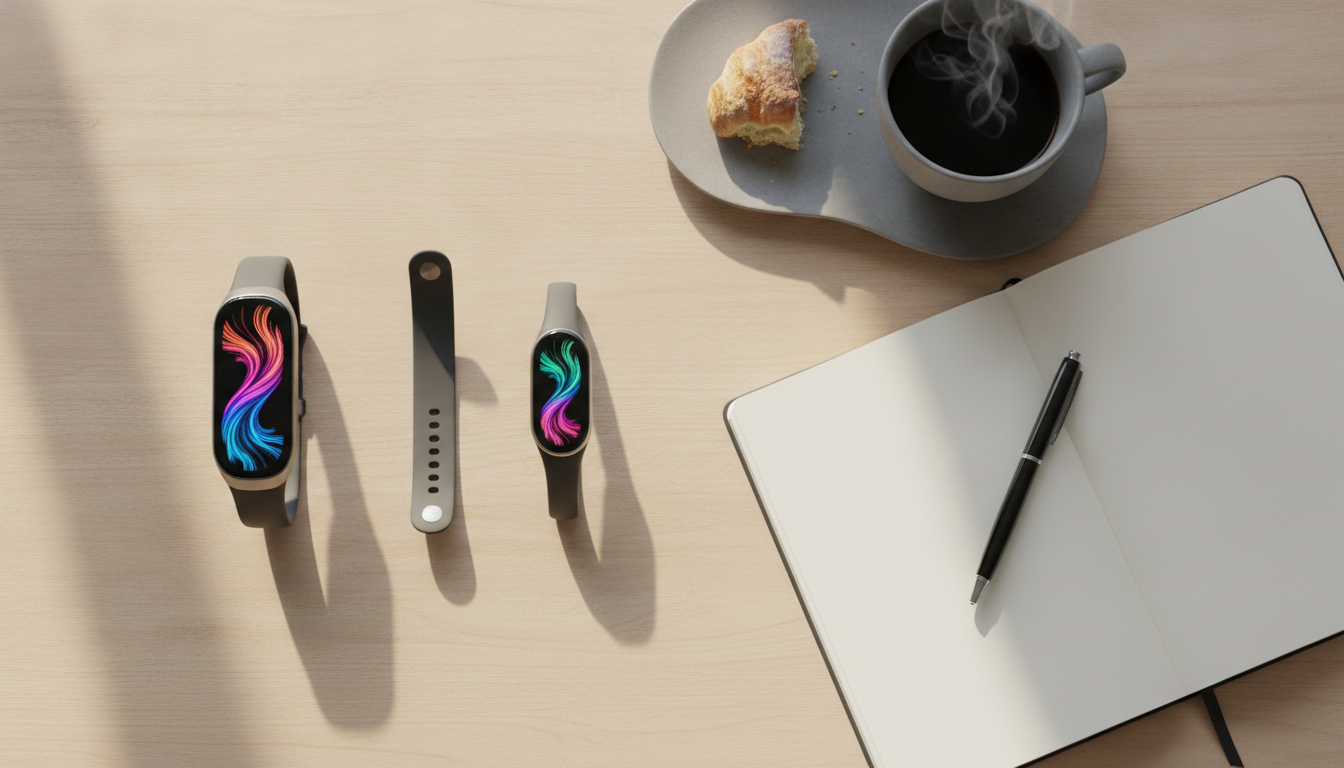
Choose the Galaxy Fit 3 if:
- You use a Samsung smartphone with Android 10 or higher
- You want body composition monitoring via bioimpedance in this price range
- You prefer a display with a format closer to a smartwatch and easier notification reading
- You already use Samsung Health and want to keep everything integrated
Choose the Xiaomi Smart Band 10 if:
- You use any Android smartphone or iPhone
- Battery autonomy is a priority in your daily use
- You want to spend a bit less without sacrificing relevant features
- You practice varied physical activities and want more sports modes available
For those in the middle ground using non-Samsung Android, the Smart Band 10 is the safest recommendation due to the combination of price, battery life, and compatibility. For those within the Samsung ecosystem, the Fit 3 delivers a more cohesive experience that justifies the R$ 30 to R$ 50 extra you usually pay. Neither disappoints; the choice is about fitting the product into your daily life, not about which one is “better” on paper.