

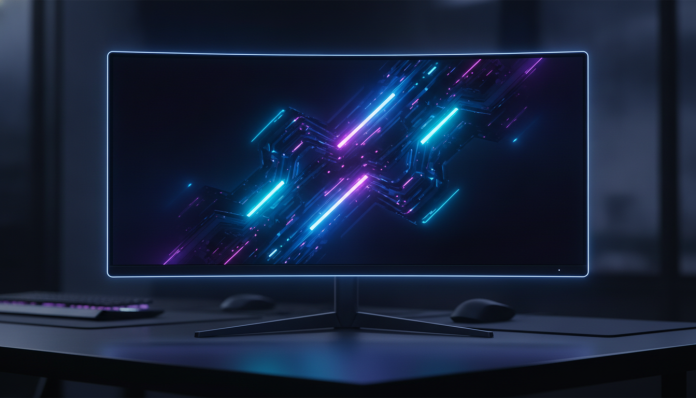

4K OLED Gaming Monitor in 2026: Has Technology Finally Reached the Right Point?
The short answer is: yes, it’s worth it, but with conditions. In 2026, OLED gaming monitors have made a real leap compared to previous generations: less frequent burn-in, 4K panels with refresh rates above 240 Hz, and prices that, while still steep, no longer belong exclusively to the universe of professional workstations. If you have the right PC or console to power a panel at this level, the visual experience is in a different league.
The problem is that “having the right PC” still excludes a large portion of Brazilian gamers. Running games in 4K (resolution of 3840 x 2160 pixels, four times more image points than conventional Full HD) with high performance requires current-generation and top-tier video cards, and that costs a lot both in the US and even more here. Therefore, before getting excited about the monitor, it’s worth being honest: the screen is the last component you should upgrade, not the first.
This article was written based on official manufacturer datasheets, public industry information, and Brazilian market availability data in 2026. I do not claim to have personally tested any models; the goal is to help you make an informed decision.
Reference Specifications: What to Expect from a 4K OLED Gaming Monitor in 2026
The most representative models in the segment in 2026 include screens of 27 and 32 inches with the following common parameters. The table below uses typical segment specifications, which you should confirm in the technical datasheet of the specific model you are evaluating.
| Specification | Typical Segment Range (2026) |
|---|---|
| Panel Technology | OLED (QD-OLED or WOLED) |
| Resolution | 3840 x 2160 (4K UHD) |
| Refresh Rate | 240 Hz to 480 Hz (depending on model) |
| Response Time (GTG) | 0.03 ms to 0.1 ms |
| Color Coverage | DCI-P3 98-99% |
| HDR | VESA DisplayHDR True Black 400 or 600 |
| Inputs | DisplayPort 2.1, HDMI 2.1, USB-C (varies) |
| Size | 27″ or 32
Artigos Mais RecentesVocê pode gostarSua fonte confiável de notícias no Brasil. Estamos comprometidos em trazer para você reportagens atualizadas, análises aprofundadas e coberturas exclusivas dos principais acontecimentos do Brasil e do mundo. Siga-nos para estar sempre informado. © 2024 Tecnologia e Gadget - Todos os direitos reservados. |