

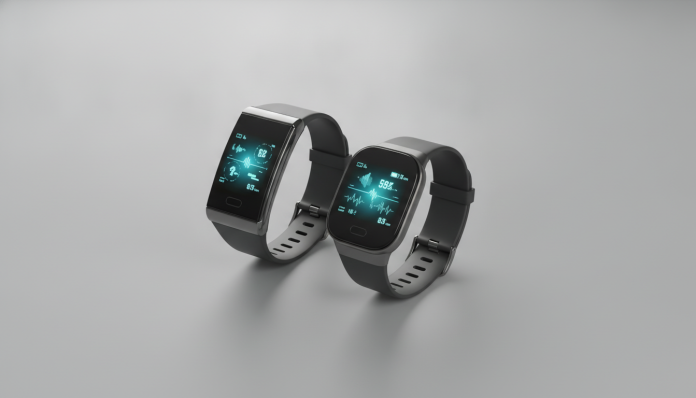

Galaxy Fit 3 vs Xiaomi Smart Band 10: Which One to Buy
The budget fitness tracker category has a peculiar characteristic: the cheaper the product, the harder the choice becomes. Samsung’s Galaxy Fit 3 and Xiaomi Smart Band 10 compete precisely in this space, with prices below R$ 400 in Brazil and very similar proposals on paper. AMOLED screen, health monitoring, long battery life and compact design appear in both. But the details make the real difference in daily use.
If you want the direct answer before diving into details: the Galaxy Fit 3 tends to perform better for those already using Android Samsung and who value native integration with the Galaxy ecosystem, while the Xiaomi Smart Band 10 delivers more aggressive value for money and a solid track record in this segment. Neither replaces a smartwatch with autonomous GPS or advanced health features, but both are honest options for basic monitoring and notifications.
In the next topics, we will compare the points that really decide the purchase, based on official technical sheets and public information from manufacturers.
Specifications Compared
| Specification | Galaxy Fit 3 | Xiaomi Smart Band 10 |
|---|---|---|
| Launch | 2024 | 2024 |
| Display | AMOLED 1.6 in., 306 x 132 px | AMOLED 1.62 in., 192 x 490 px |
| Band | 20 mm, interchangeable | 19 mm, interchangeable |
| Battery | 208 mAh | 232 mAh |
| Declared Battery Life | up to 13 days | up to 21 days |
| GPS | Connected (uses phone GPS) | Connected (uses phone GPS) |
| NFC | No | No (global version) |
| Water Resistance | 5 ATM | 5 ATM |
| Sensors | Heart rate, SpO2, accelerometer, gyroscope | Heart rate, SpO2, accelerometer, gyroscope |
| Compatibility | Android and iOS | Android and iOS |
| App | Galaxy Wearable / Samsung Health | Xiaomi Health (Mi Fitness) |
| Approximate Price in Brazil | R$ 300 to R$ 380 | R$ 250 to R$ 330 |
Prices researched in Brazilian stores and subject to variation. Confirm at time of purchase.
Display and Design: Size Matters, But It’s Not Everything
At first glance, the displays seem equivalent. Both use AMOLED technology (a type of organic panel that produces deep blacks and vibrant colors because each pixel emits its own light) and sit around 1.6 inches. The difference lies in the aspect ratio: the Galaxy Fit 3 screen has a more horizontal format, similar to a compact smartwatch, while the Smart Band 10 maintains the elongated vertical format that is the trademark of the Mi Band line.
This directly affects notification readability. According to Samsung’s official information, the Fit 3 screen displays more characters per line, making messages easier to read without scrolling. The Smart Band 10, meanwhile, makes good use of screen height to display health information in vertical lists. Neither has automatic brightness as precise as a premium smartwatch, but both work well indoors and reasonably well in sunlight.
In terms of design, the Galaxy Fit 3 has a slightly more refined finish, with integrated bezel to the body. The Smart Band 10 maintains Xiaomi’s capsule style, which divides opinions, but is undeniably compact and light, weighing approximately 27 grams with the band.
Health Monitoring and Sports: What Manufacturers Deliver
Both devices offer continuous monitoring of heart rate and SpO2 (blood oxygen saturation, a useful metric for detecting drops in oxygenation during sleep or intense exercise). They also automatically track sleep, with subdivisions of light, deep and REM phases.
According to Samsung’s official technical sheet, the Galaxy Fit 3 detects over 100 exercise modes, including automatic recognition for running, walking and strength training. The Samsung Health app offers more elaborate dashboards and native integration with other Galaxy devices. If you already use a Galaxy Watch or Galaxy Buds, all data stays centralized in one place, without needing third-party apps.
Xiaomi, in turn, declares compatibility with over 150 sports modes on the Smart Band 10. The Xiaomi Health app (formerly Mi Fitness) was revamped and improved significantly from initial versions, but is still considered less polished than Samsung Health in terms of data visualization, according to comparisons published in specialized media. For those not using other Xiaomi products, the onboarding experience is somewhat more bureaucratic.
An important point for runners: neither has autonomous GPS. Both depend on your phone to map routes, which in practice means you need to carry your smartphone while running if you want the map. If autonomous GPS is a priority, this price range doesn’t meet it, and it’s worth looking at options like the Haylou Watch 3, analyzed in honest review of Haylou Watch 3 in Brazil, which covers this segment in detail.
Battery: The Difference You’ll Feel in Real Use
This is the criterion where the Smart Band 10 wins handily. Xiaomi declares up to 21 days of battery life in standard use, versus 13 days declared by Samsung for the Galaxy Fit 3. In practice, battery life always varies depending on monitoring intensity and screen brightness, but the margin difference is significant enough to show up in real use.
For those who travel frequently, sleep monitoring and forget to charge their band for days, the Smart Band 10 offers much more peace of mind. The Galaxy Fit 3 does deliver decent battery life by segment standards, but loses in this direct comparison.
Both charge via proprietary magnetic cable, which means you need to keep the original charger at hand at all times. This is a point to pay attention to when buying: check if the kit includes the charger or if it’s sold separately, which happens in some stores.
Software, Ecosystem and Day-to-Day Experience
Here is the most subjective factor and also one of the most decisive. The Galaxy Fit 3 shines if you’re already within the Samsung universe. Integration with Samsung Health is deep: shared goals between devices, personalized alerts and wellness reports that cross data from sleep, activity and heart rate over time. The iPhone experience is functional, but loses some Samsung-specific Android integrations.
The Xiaomi Smart Band 10 works well on both Android and iOS, without such marked preferences. The Xiaomi Health app is simpler, but covers the essentials clearly. Those coming from earlier versions of the Mi Band line will feel at home quickly.
Notifications on the wrist work on both, including the option for quick replies on Android devices. Contactless payments (NFC) are not available on either device in global and national models, which is a real limitation compared to smartwatches even in the R$ 500 to R$ 700 range.
Availability in Brazil, Homologation and Warranty
Both products are sold officially in Brazil. The Galaxy Fit 3 is distributed by Samsung Brazil, has Anatel homologation (mandatory certification for communication devices sold legally in the country) and one-year manufacturer warranty, with official technical assistance in several cities.
The Xiaomi Smart Band 10 also has a version with Anatel homologation for the Brazilian market and one-year warranty. Pay attention to the purchase channel: imported versions from sites like AliExpress may be cheaper, but don’t have local warranty or Portuguese-language support, and may have issues with Bluetooth frequency bands on Brazilian devices, something rare but that has been reported by users.
Buying from official stores or large marketplaces with authorized resellers is the safest choice, even if the price is slightly higher.
Which to Choose: Recommendation by Profile and Budget
The choice between the two depends less on which is “better” and more on which fits your use.
Choose the Galaxy Fit 3 if:
- You use Samsung Galaxy as your primary smartphone and want total integration with Samsung Health
- You prefer a screen with a wider format and visual closer to a compact smartwatch
- You don’t mind charging the band every 10 to 13 days
Choose the Xiaomi Smart Band 10 if:
- Long battery life is a priority in your use
- You want to pay less and have a solid product with proven track record in the line
- You don’t use Samsung products and prefer a neutral ecosystem
For those uncertain about the total budget for your tech setup in 2026, the cost-benefit criterion by category can help with prioritization, just as happens in different categories, such as in the guide for robot vacuum up to R$ 1,500 to buy in 2026, where the same reasoning of comparing usage profile with real specifications applies.
If budget allows going beyond R$ 400, it’s worth looking at entry-level smartwatches with autonomous GPS. But within this range, both are honest choices, and neither will disappoint you on the basics.
Frequently Asked Questions About Galaxy Fit 3 and Xiaomi Smart Band 10
Does the Galaxy Fit 3 work with iPhone?
Yes, according to Samsung, the Galaxy Fit 3 is compatible with iOS via the Galaxy Wearable app. However, some functions are exclusive to Samsung smartphones with Android, such as deeper integrations with Samsung Health and automatic responses to notifications.
Does the Xiaomi Smart Band 10 have blood pressure measurement?
No. According to Xiaomi’s official technical sheet, the Smart Band 10 does not have a blood pressure sensor. It measures heart rate and SpO2, which are different. Reliable blood pressure monitors still depend on certified sphygmomanometers, and wristbands that claim to have this feature in the accessible price range usually don’t have clinically validated accuracy.
Can I change the band on both models?
Yes, both use interchangeable bands. The Galaxy Fit 3 uses standard 20 mm bands, compatible with many market options. The Xiaomi Smart Band 10 uses a proprietary 19 mm Xiaomi connector, so you need to check compatibility before buying third-party bands.
Which of the two handles water sports well?
Both have water resistance of 5 ATM, which is equivalent to withstanding pressure up to 50 meters depth in lab conditions and indicates suitability for swimming and use under rain. They are not recommended for deep snorkel diving or activities with abrupt pressure changes. For casual pool use, both work well, according to each manufacturer’s official specifications.