

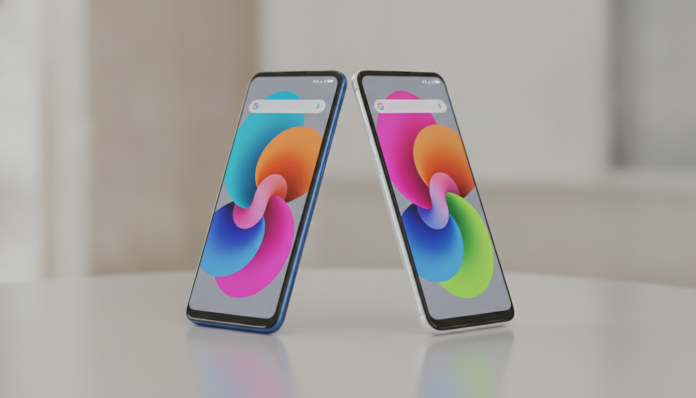

Moto G56 or Galaxy A36: which mid-range phone to buy in 2026
The mid-range smartphone segment in Brazil is experiencing a curious moment: prices have risen, specifications have improved, and the gap between a good device and a great one has become smaller than ever. The Moto G56 and Galaxy A36 are two of the most cited names in this competition, and both target a similar audience: those who want to move beyond basic phones without paying for a flagship. The question that remains is which of the two makes more sense for your wallet and your daily life.
The short answer: it depends on what you prioritize. The Galaxy A36 delivers a more sophisticated camera and software experience, with guaranteed updates for longer. The Moto G56 plays the value-for-money game more directly, with competitive hardware and Motorola’s nearly clean interface that many people already know and appreciate. Neither is a bad choice, but one probably fits your profile better.
Comparative specifications
| Specification | Moto G56 | Samsung Galaxy A36 |
|---|---|---|
| Processor | Dimensity 7025 (MediaTek) | Snapdragon 6 Gen 3 (Qualcomm) |
| RAM | 8 GB | 8 GB or 12 GB |
| Storage | 128 GB or 256 GB | 128 GB or 256 GB |
| Display | 6.6″ LCD IPS, 120 Hz | 6.7″ Super AMOLED, 120 Hz |
| Main Camera | 50 MP | 50 MP |
| Front Camera | 16 MP | 12 MP |
| Battery | 5,000 mAh | 5,000 mAh |
| Charging | 33 W (TurboPower) | 45 W |
| System | Android 14, with promise of 2 updates | Android 15, with 6 years of OS updates |
| Resistance | IP52 | IP67 |
| 5G | Yes | Yes |
| Price Range in Brazil | R$ 1,400 to R$ 1,700 (approximate) | R$ 1,900 to R$ 2,400 (approximate) |
Prices consulted in 2026 and subject to variation depending on store and promotions.
Day-to-day performance: the two processors in practice
The Moto G56 uses the Dimensity 7025, a MediaTek chip manufactured on a 6 nm process. It’s a solid processor for the segment: it runs social media, streaming, casual games, and multitasking without noticeable stuttering. The point to watch is heavier titles like Genshin Impact with high graphics, where performance may vary depending on the configuration chosen.
The Galaxy A36 brings the Snapdragon 6 Gen 3, from Qualcomm, manufactured on 4 nm. The manufacturing process difference matters: smaller chips are generally more energy-efficient and handle processing spikes better without overheating as much. In practice, according to public technical information from Samsung, the A36 has superior performance in tasks that require sustained load over longer periods, such as video editing or lengthy gaming sessions.
If your usage is more common (social media, WhatsApp, videos, casual photos), the two deliver well. If you play games frequently or edit content on your phone, the A36 comes ahead on paper, and this tends to be confirmed in real experience according to public benchmarks available on specialized sites like GSMArena and Notebookcheck.
Display: honest LCD versus showy AMOLED
Here the difference is more visible and easier to feel. The Moto G56 uses an LCD IPS panel of 6.6 inches with a 120 Hz refresh rate. LCD is a mature and reliable technology: the screen is backlit, which means blacks appear as dark gray, not true black. Visibility in sunlight is usually good in the category, but don’t expect that cinematic contrast.
The Galaxy A36 has a Super AMOLED display of 6.7 inches. In this type of panel, each pixel produces its own light, so when a pixel needs to be black, it simply turns off. The result is nearly infinite contrast, more saturated colors, and deeper blacks. For those who consume a lot of video on their phones or use the device as their primary screen for entertainment, the difference is noticeable and pleasant.
A 120 Hz refresh rate on both models means screen scrolling and animations feel smoother, as if content “slides” rather than jumps. It’s a feature that, once you experience it, is hard to do without. Points even between the two.
Camera: similar specs, different results
Both the G56 and A36 come with a 50 MP main sensor, but megapixels aren’t everything. A camera is a system involving sensor, lens, aperture, and most importantly, image processing by software. And that’s where the big difference comes in.
Samsung has years of investment in computational image processing, and the Galaxy A36 inherits part of that DNA. According to Samsung’s official specs, the A36 features OIS (Optical Image Stabilization), which physically compensates for hand shake with a mechanism inside the lens, resulting in more stable photos and videos. The Moto G56 does not include OIS on the main camera, according to specifications released by Motorola.
In good lighting conditions, both capture competitive images. At night or in enclosed spaces, the A36’s optical stabilization tends to make a real difference. The A36’s ultrawide camera is also more generous in resolution according to the specs sheet. Those who photograph frequently, especially moving children or dark environments, will notice the jump.
The G56, on the other hand, has a 16 MP front camera versus 12 MP on the A36, which may interest those who prioritize selfies or video calls. But front camera resolution also depends on software processing, so the difference in practice may be smaller than the number suggests.
Software, updates, and longevity
This is one of the most important and least discussed points when buying. The Galaxy A36 has Samsung’s commitment of six years of operating system updates and six years of security patches, according to official company information released globally. For a device you plan to use for three or four years, this is a real advantage: your phone will receive security fixes and new Android versions for a relevant period of time.
The Moto G56 has a more modest commitment, with two Android updates and three years of security patches, according to Motorola’s update policy for the G line. It’s not a bad result for the segment, but it falls well below the rival Samsung.
Motorola’s interface (based on near-stock Android, with few extra apps) appeals to those who prefer a clean experience without distractions. Samsung’s One UI is richer in features, but also more loaded. Some people love the extra options in One UI; others prefer Motorola’s simplicity. This is a matter of taste, and it’s worth testing in physical stores before deciding.
Water resistance and Brazilian context
The Galaxy A36 has IP67 certification, which indicates resistance to immersion in up to 1 meter of depth for up to 30 minutes in fresh water, according to the IEC 60529 standard. The Moto G56 has IP52, which only covers splashes and light dust. For day-to-day use with rain or use near a pool, the A36 gives much more peace of mind.
In both cases, it’s important to check Anatel approval before buying. Devices without approval may experience connectivity issues with Brazilian networks and technically cannot be legally sold in the country. Both models are sold in Brazil by the manufacturers, but check the approval number on Anatel’s website if you buy from non-official resellers.
The official warranty is 12 months for products purchased in Brazil. Importing from abroad may seem tempting by price, but without local warranty and with the risk of not working on all frequency bands of Brazilian operators, the cost-benefit is lost.
Which one to choose
For those who use their phone in a basic to moderate way and want to save: the Moto G56 delivers the essentials with quality, clean interface, and more accessible price. If camera and software longevity aren’t top priority, it serves the role well.
For those who photograph frequently, use the phone for intense entertainment (series, games), or want a device that lasts more years with guaranteed support: the Galaxy A36 is the most solid choice. The AMOLED display, camera optical stabilization, and commitment to six years of updates justify the higher price.
Who shouldn’t buy either of them: if you have a budget above R$ 2,500, it’s already worth considering stepping up to the next level of mid-range or more accessible flagships, where the difference in camera and performance is more noticeable. Just as in the PC hardware area it’s worth researching detailed comparisons before deciding, as you can see in this analysis between RTX 5060 Ti and RTX 4070 graphics cards, in the smartphone world research before purchase always pays off.
Frequently asked questions about Moto G56 and Galaxy A36
Is the Galaxy A36 worth the price difference compared to the Moto G56?
It depends on your usage profile. If optical image stabilization camera, AMOLED display, and six years of updates are relevant to you, yes. For more basic use, the G56 delivers much of the experience for less money.
Do both have 5G and work in Brazil?
Yes, both have 5G support and are officially sold in Brazil with Anatel approval. Check the supported bands with your operator to ensure full compatibility with your local network.
Which has better battery between the two?
Both have 5,000 mAh batteries, a competitive capacity to last a full day of moderate use. The Galaxy A36 charges faster (45 W vs. 33 W on the G56), which means less time plugged in during the day.
How long does the Moto G56 receive updates?
According to Motorola’s official policy for the G line, the G56 has guaranteed two Android operating system updates and three years of monthly security patches. Always check the most recent policy from the manufacturer, as it may be revised.
Before you decide, check the store and source

Prices of mid-range phones in Brazil vary widely between retailers, and occasional promotions can narrow the gap between the two models. It’s worth following sites like Buscapé, Zoom, and the official Samsung and Motorola stores before closing a deal. Check if the device is in national stock, with an invoice and local warranty, especially when buying on marketplaces. With this information in hand, the decision becomes much clearer.