

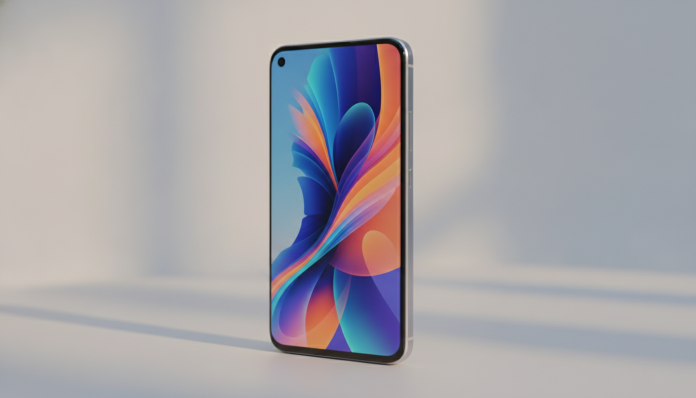

The Moto G67 arrived on the market as another Motorola bet in the mid-range segment, that price range between R$ 1,200 and R$ 1,800 where competition is brutal and any detail can make a difference when buying. In 2026, with the Brazilian market still heated by domestic launches and parallel imports, the question remains: does this phone still make sense or has it already been surpassed by Motorola’s own lineup and Korean competitors?
The short answer is: it depends on what you prioritize. If you want generous battery life, clean software and a decent camera for daily use, the G67 delivers. If your focus is heavy gaming performance or cameras with advanced artificial intelligence features, there are more interesting options in this same price range. The following article will detail exactly where the device shines and where it falls short, based on official specifications and publicly available information to date.
Moto G67 Technical Specifications
| Specification | Details |
|---|---|
| Processor | MediaTek Dimensity 6020 |
| RAM | 4 GB or 8 GB (depending on version) |
| Storage | 128 GB (expandable via microSD) |
| Display | IPS LCD 6.5″ Full HD+ (2400 x 1080), 120 Hz |
| Battery | 5,000 mAh |
| Charging | 33 W (charger included in box) |
| Main Camera | 50 MP with f/1.8 aperture |
| Front Camera | 16 MP |
| Operating System | Android 14 (with promise of 2 years OS updates) |
| Connectivity | 4G, Wi-Fi 5, Bluetooth 5.1, NFC (verify national version) |
| Dimensions | Approximately 161 x 74 x 7.9 mm |
| Certification | Check Anatel certification for national model |
Attention: the Moto G67 was launched outside Brazil in 2024, and its national availability as an official product must be confirmed directly with Motorola Brasil or authorized resellers. Prices vary, but the estimated range in the Brazilian market is between R$ 1,200 and R$ 1,600 depending on the version and sales channel.
Daily Performance: Can the Dimensity 6020 Handle It?
The MediaTek Dimensity 6020 is an entry-level mid-range processor, manufactured in a 6 nm process (nanometers, the measurement of transistor size within the chip, where smaller numbers generally indicate greater energy efficiency). According to the technical specifications, it is sufficient for everyday use: social networks, streaming, web browsing, video calls and business apps run without major hiccups.
The problem appears when you demand more. Heavy games like Genshin Impact or Call of Duty Mobile will run, but likely with reduced graphics settings to maintain smoothness. It is not a chip designed for demanding gaming. If you primarily use your phone for work and content consumption, this processor won’t disappoint you.
The 8 GB RAM version is most recommended for those who have the habit of leaving many apps open at the same time. The 4 GB version covers the basics, but may show limitations over time as apps become heavier with updates.
120 Hz Display: Good on Paper, With Caveats in Practice
The 6.5-inch IPS LCD display with Full HD+ resolution and 120 Hz refresh rate (the number of times per second the image is redrawn, the higher the number, the smoother the scrolling appears) is a real positive point for the G67. Most direct competitors in this price range still offer 90 Hz, so feeling the difference in feed scrolling is noticeable on paper and in practice.
The IPS panel has good color reproduction for casual content and outdoor reading performs well under moderate lighting conditions, according to what is observed in publicly available brightness specifications. The limitation is that it is not AMOLED: blacks are not as deep, and battery consumption with dark themes does not benefit as much as on organic panels. For those who watch many movies or value visual quality above all else, this is a point of attention.
Battery and Charging: This is the Strong Point
A 5,000 mAh battery combined with a processor with moderate consumption is, in practice, synonymous with peace of mind for most users. According to the manufacturer’s information, the G67 was designed to last the entire day with typical use, which includes web browsing, social media and some calls. For lighter users, two days without charging is not an uncommon scenario.
The 33 W charging with the charger included in the box is a relevant differentiator. Many manufacturers, including premium ones, have stopped including the charger in the packaging. Motorola still includes it in the G67, which reduces the total cost of ownership and is a detail that matters when buying, especially for those migrating from an older device.
Cameras: Sufficient for Daily Use, Without Great Ambitions
The G67’s camera system is functional, not extraordinary. The 50 MP main camera with f/1.8 aperture delivers photos with good detail in well-lit conditions. At night or in low-light environments, the results are acceptable for the segment, but without the advanced computational processing that brands like Samsung offer in slightly more expensive mid-rangers.
There is no telephoto camera (dedicated optical zoom). Available zoom is digital, which means loss of quality as you magnify the image. The ultra-wide camera, if present in the configuration, should have its details checked in the technical specifications of the specific model you’re going to buy, as configurations can vary by market. The 16 MP front camera is good for video calls and selfies with adequate lighting.
Software and Updates: Clean Android is a Trump Card
One of the biggest draws of the Moto G line has always been the near-stock Android, with few customization layers. The G67 runs Android 14 out of the box with Motorola’s My UX interface, which adds gestures and small customizations without polluting the experience with excessive bloatware (pre-installed unwanted apps that take up space and can drain battery in the background).
Motorola’s promise is two years of operating system updates and three years of security patches. It’s less than what Samsung offers in Galaxy A devices from 2025 onwards (four years of OS), but still reasonable for the segment. If you plan to use the phone for three years or more, this is a factor to consider. For those who switch phones every two years, it’s not a problem.
Pros and Cons
Pros:
- 120 Hz display at this price point is a real differentiator
- 5,000 mAh battery with 33 W charger included in the box
- Clean software with near-stock Android
- Expandable storage via microSD
- Thin and lightweight design for screen size
Cons:
- Processor limited for heavy games
- LCD panel instead of AMOLED reduces visual quality for those who value it
- Only two years of operating system updates
- Night camera without much standout in the segment
- National availability and Anatel certification must be verified
Competitors and Alternatives in Brazil
In this price range, the G67 faces direct competition from well-established devices in the Brazilian market. If you’re also considering Samsung options, it’s worth checking the comparison between Galaxy A36 and A56 in 2026, which details the differences between Korean mid-rangers well.
| Model | Processor | Display | Battery | Price Range (BR) |
|---|---|---|---|---|
| Moto G67 | Dimensity 6020 | IPS 6.5″ 120 Hz | 5,000 mAh | R$ 1,200 to R$ 1,600 |
| Samsung Galaxy A36 | Snapdragon 6 Gen 3 | AMOLED 6.7″ 120 Hz | 5,000 mAh | R$ 1,500 to R$ 1,900 |
| Motorola Moto G56 | Dimensity 7025 | AMOLED 6.5″ 120 Hz | 5,000 mAh | R$ 1,300 to R$ 1,700 |
| Xiaomi Redmi Note 14 | Helio G99 Ultra | AMOLED 6.67″ 120 Hz | 5,500 mAh | R$ 1,200 to R$ 1,600 |
The point that stands out most in this table is that the Moto G56 itself, which can be found in a similar range, offers an AMOLED display and a more powerful chip. It’s worth comparing prices at the time of your purchase, as promotions change this equation. The analysis of the Moto G56 against the Galaxy A36 can also help you calibrate expectations.
Frequently Asked Questions About the Moto G67
Does the Moto G67 have NFC for contactless payments?
According to the international technical specifications, the G67 has NFC, but the presence of this feature in the model sold in Brazil must be confirmed, as regional versions may have variations. Check the product box or the technical specifications of the national version before buying if this feature is a priority for you.
Is the Moto G67 official in Brazil or only imported?
As of this article’s publication date, availability as an official product with Anatel certification must be confirmed directly with Motorola Brasil or authorized resellers. Buying a device without Anatel certification can result in carrier blocking and lack of local warranty.
How long does the Moto G67 receive software support?
Motorola promises two years of Android operating system updates and three years of monthly security patches for the G67. It’s a reasonable guarantee for the segment, but lower than what Samsung began offering in Galaxy A devices from 2025 onwards.
Does the 33 W charger come included in the box?
Yes, according to Motorola’s official information, the G67 includes the 33 W charger in the packaging, which is a practical differentiator and reduces the cost of adopting the device.
Is the Moto G67 Worth Buying in 2026?

The Moto G67 is an honest mid-ranger that delivers on its promises without exaggeration. The 120 Hz display, robust battery with included charger, and clean software form a solid foundation for the user seeking reliability in daily use. The chip, however, was born without headroom for those wanting extra performance, and the LCD display puts the device at a visual disadvantage against competitors that came to market with AMOLED at the same price point.
Before deciding, verify national availability, the presence of the Anatel seal, and compare the actual price with the Moto G56 at the same time, as the difference may be small enough to justify the jump in quality.
Recommended for: users who want clean Android, all-day battery life, and don’t have gaming as a priority; it’s also a good gift option or for those upgrading from an older device and want to modernize without spending over R$ 1,600.
Price range: between R$ 1,200 and R$ 1,600, with variation depending on sales channel, RAM version, and seasonal promotions.