

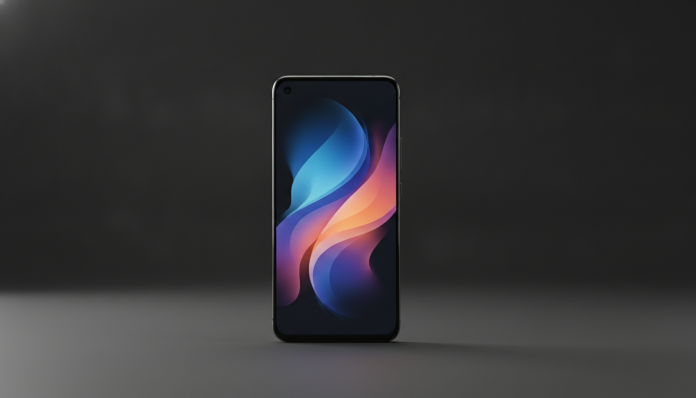

POCO X8 Pro Worth the Price in Brazil? Complete Review
The POCO X8 Pro arrived on the market as yet another Xiaomi bet to dominate the premium mid-range segment, that range between basic phones and four-thousand-real flagships. With top-tier processor, high-refresh AMOLED screen and generous battery, specs look great on paper, but what matters is whether the package makes sense in the Brazilian context, where import costs, warranty and actual availability significantly change the equation.
The short answer for those who want to decide now: the X8 Pro is a very well-specified phone for the price, especially if you can buy it on sale or via import with invoice. But it’s not for everyone. Those who need flagship-level camera with sophisticated image processing, guaranteed support for Brazilian 5G networks and easy technical assistance will find real obstacles. For those who want raw performance, beautiful screen and long battery life without spending the equivalent of a Galaxy S or iPhone, the X8 Pro enters the scene with force.
Before diving into details, an important warning: the POCO X8 Pro was launched in 2024, and by 2026 it has already gone through software update cycles. Always verify the firmware version available on the device you’re buying and confirm if the model has Anatel homologation, the mandatory seal in Brazil that guarantees the device was tested and approved to operate on national radio frequencies. Devices without this seal cannot be legally sold, and cellular networks may block access in case of inspection.
POCO X8 Pro Technical Specifications
| Specification | Details |
|---|---|
| Processor | Qualcomm Snapdragon 8 Gen 3 |
| RAM | 12 GB or 16 GB (LPDDR5X) |
| Storage | 256 GB or 512 GB (UFS 4.0) |
| Display | 6.67 in., AMOLED, 1.5K, 144 Hz |
| Main Camera | 50 MP, Light Fusion 800 sensor |
| Ultrawide Camera | 8 MP |
| Telephoto Camera | 50 MP, 3x optical zoom |
| Front Camera | 20 MP |
| Battery | 5,000 mAh |
| Charging | 90W wired, no wireless charging |
| Operating System | HyperOS (based on Android 14 at launch) |
| Connectivity | Wi-Fi 7, Bluetooth 5.4, NFC, 5G |
| Dimensions | Approximately 160 x 74 x 8.2 mm |
| Weight | Approximately 209 g |
Always confirm specifications on POCO’s official tech sheet or the retailer’s, as regional versions may differ.
Daily Performance and Gaming
The Snapdragon 8 Gen 3 is Qualcomm’s most powerful processor for smartphones in the generation when the X8 Pro was launched. For those not following the chip market: think of it as a sports car engine placed inside an affordable sedan. Heavy games like Genshin Impact, PUBG Mobile and Call of Duty Mobile run on the highest graphics without stuttering according to the manufacturer, and UFS 4.0 storage (a type of internal storage much faster than the previous standard) contributes to faster app loading and large file transfers.
Thermal management is the point that deserves attention. The Snapdragon 8 Gen 3 is powerful, but it also generates heat during long sessions of intensive use. POCO doesn’t publicly detail the cooling solution used in the X8 Pro with the same depth as competitors like Asus, so it’s worth researching reports from actual users before buying, especially if you’re a gamer who spends hours in competitive matches.
UFS 4.0 storage and LPDDR5X RAM (latest generation memory technologies, equivalent to wide roads for data to travel quickly) make multitasking fluid. Opening ten apps in sequence, editing a short video on the phone or doing live streams are tasks that the hardware supports without complaints, according to the specifications.
Display and Visual Experience
The 1.5K AMOLED display at 144 Hz is one of the X8 Pro’s strongest points. 1.5K resolution means something between Full HD and 2K, sharper than most mid-range phones, but without the battery drain of a pure 2K screen. The 144 Hz refresh rate (which defines how many times per second the image is redrawn on screen) makes scrolling through social media, menus and games look noticeably smoother than phones with 60 Hz.
The panel supports Dolby Vision and HDR10+, certifications that indicate compatibility with high dynamic range content on apps like Netflix and Prime Video, depending on your plan and available content. The maximum brightness stated by the manufacturer is high enough for outdoor use on sunny days, something that cheaper mid-range phones often sacrifice.
What’s missing here is latest-generation glass protection. Check which version of Gorilla Glass or equivalent protection is available on the model you’re buying, as this information can vary by market and wasn’t uniformly confirmed in public sources until this article’s publication.
Cameras: Strong Point, But With Caveats
The main 50 MP camera with Light Fusion 800 sensor is the highlight of the photo setup. Larger sensors capture more light, which in theory results in cleaner photos in low-light environments. POCO claims the system was optimized for night photography, and the 50 MP telephoto camera with 3x optical zoom is a rare differentiator in this price range.
Image processing, however, is where POCO historically falls behind Xiaomi, Samsung and Google flagships. The hardware can be excellent, but camera software defines the final color, contrast and detail of the photo. For social media and everyday snapshots, the result is more than sufficient. For those who prioritize photography and want alternatives on the market with better computational image processing, the Pixel 9a or Galaxy A56 may deliver more consistent results depending on usage context.
The 20 MP front camera works well for video calls and selfies. The lack of wireless charging may bother those who have wireless chargers scattered around the house, but 90W wired charging is fast enough to make up for it in daily practice.
Battery and Battery Life
With 5,000 mAh and 90W charging, the X8 Pro delivers what most users need: a full day of moderate use with headroom, and fast recharging for when you forgot to charge overnight. According to the manufacturer, full charging takes around 40 minutes, which is quite competitive.
Real battery life depends heavily on your usage profile. AMOLED screens at high brightness and 144 Hz refresh consume more power. HyperOS has settings to limit refresh rate to 60 Hz automatically on apps that don’t benefit from the extra smoothness, which helps preserve battery without sacrificing visual experience at the right times.
Pros and Cons
Pros:
- Snapdragon 8 Gen 3 delivers flagship-level performance
- 1.5K AMOLED 144 Hz high-quality display
- 50 MP telephoto camera with 3x optical zoom, rare in this price range
- 90W charging significantly speeds up recharging
- Wi-Fi 7 and Bluetooth 5.4 for latest-generation connectivity
- NFC present, useful for contactless payments
Cons:
- No wireless charging
- Camera image processing may lag behind competitors in image software
- Availability with Anatel homologation in Brazil is limited and irregular
- Thermal management under prolonged intensive use deserves verification
- Warranty and official technical support in Brazil may be harder to access
- 8 MP ultrawide camera stands out from the rest of the setup
Competitors and Alternatives in Brazil
| Model | Processor | Display | Main Camera | Approx. Price Range (BR) |
|---|---|---|---|---|
| POCO X8 Pro | Snapdragon 8 Gen 3 | AMOLED 1.5K 144 Hz | 50 MP | R$ 2,800 to R$ 3,800 (import) |
| Samsung Galaxy A56 | Exynos 1580 | AMOLED FHD+ 120 Hz | 50 MP | R$ 2,800 to R$ 3,200 |
| Motorola Edge 50 Ultra | Snapdragon 8s Gen 3 | pOLED 165 Hz | 50 MP | R$ 3,200 to R$ 3,800 |
| Xiaomi 14T | Dimensity 8300-Ultra | AMOLED 144 Hz | 50 MP | R$ 3,500 to R$ 4,200 |
| Google Pixel 9a | Tensor G4 | OLED 120 Hz | 48 MP | Confirm availability in BR |
Prices vary by retailer, exchange rate and promotions. Check major Brazilian e-commerce platforms for current prices.
The Galaxy A56 is the easiest alternative to buy in Brazil with invoice, Samsung warranty and technical support throughout the country. The Motorola Edge 50 Ultra offers wireless charging and strong presence in the national market. The Xiaomi 14T is a pricier cousin within the same family, with superior brand positioning and Leica camera software. If you’re thinking about building a complete technology setup and want to understand how budget and value-for-money work in other segments, it’s worth reading about gaming PC 1440p 144Hz up to 7 thousand reais: what to buy to get a perspective on how to choose hardware with the same analysis logic.
Frequently Asked Questions About POCO X8 Pro
Does the POCO X8 Pro have Anatel homologation?
Anatel homologation varies by batch and sales channel. You should consult Anatel’s public database or require proof of homologation from the seller before finalizing the purchase. Devices imported privately or through unauthorized channels may not have the seal and, by law, shouldn’t be sold in Brazil.
Is it worth importing the POCO X8 Pro or buying domestically?
Importing can be cheaper, but it involves the risk of not having valid warranty in Brazil, possible issues with national 5G bands and the risk of customs retention with tax charges. If the domestic price with invoice is within a reasonable range, local purchase brings more security and ease in case of defect.
Does the POCO X8 Pro work well with Brazilian 5G operators?
The global model supports various 5G bands, but the frequencies used by Brazilian operators, especially bands n78 and n258 (mmWave under expansion), need to be confirmed on the tech sheet of the specific model available in Brazil. Check the list of supported bands before buying.
Does HyperOS receive security updates regularly?
Xiaomi and POCO follow a monthly security update schedule for the latest models, but regularity can vary by region and product lifecycle. In 2026, with the X8 Pro already out of the recent launch cycle, confirm how many Android and security updates the model will still receive before buying.
Is It Worth It?

The POCO X8 Pro is a phone that delivers flagship specifications at a price that, in the global market, would be hard to beat. The problem, as almost always happens with the POCO line in Brazil, is making a safe purchase. The actual usage experience, based on the specifications and information publicly available, is very positive for those who prioritize performance, screen quality and battery life.
Recommended for: gamers who want powerful hardware without paying flagship national prices, users who already have import experience and know how to navigate the warranty process, and those who don’t depend on camera at the level of the market’s best.
It’s not the right choice for those who need easy technical assistance, hassle-free warranty, top-tier photo camera with advanced image processing or absolute certainty about 5G compatibility with Brazilian operators.
Price range: around R$ 2,800 to R$ 3,800 through import channels in 2026, varying according to exchange rate, promotions and availability. The international launch price was approximately US$ 450 for the base version. Always confirm current price before buying.