

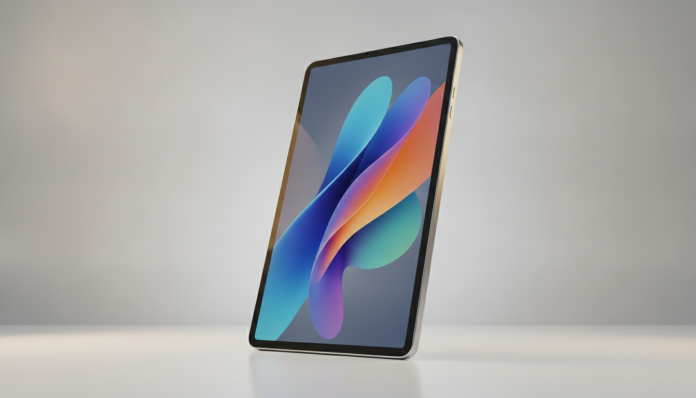

The Redmi Pad 2 has caught the attention of many people in Brazil as a mid-range tablet option with more accessible pricing than iPads or premium Samsung tablets. But the real question is: does it deliver enough for everyday use if you want a large screen for consuming content, studying, or working on the go? The short answer is: it depends on your usage profile, and we’ll explain exactly why.
Xiaomi positions the Redmi Pad 2 as an entry to mid-range tablet aimed at entertainment, light productivity, and students. According to the manufacturer, it brings a large screen with high refresh rate and generous battery, which sounds good on paper. The real problem for Brazilian consumers lies in how this product reaches you: Anatel certification, import pricing, warranty, and local support are factors that weigh as much as technical specifications.
If you’re considering buying the Redmi Pad 2 in Brazil in 2026, whether through imports or national resellers, this article organizes everything you need to know before deciding.
Redmi Pad 2 Technical Specifications
| Specification | Details |
|---|---|
| Display | 11 inches, IPS LCD, Full HD+ resolution (2000 x 1200 px) |
| Refresh rate | 90 Hz |
| Processor | Qualcomm Snapdragon 685 |
| RAM | 4 GB or 6 GB (verify available variant in Brazil) |
| Storage | 128 GB (expandable via microSD) |
| Battery | 8,000 mAh |
| Rear camera | 8 MP |
| Front camera | 8 MP (with autofocus) |
| Operating system | Android with MIUI/HyperOS (version may vary) |
| Connectivity | Wi-Fi 5, Bluetooth 5.1, USB-C |
| 4G version | Available in some markets (verify availability in Brazil) |
| Dimensions and weight | Approximately 255 x 165 x 7.5 mm, about 445 g |
| Anatel certification | Verify the certification number before buying imported |
> Attention: the specifications above are based on public information from Xiaomi. Since the Brazilian market has SKU variations (product versions), always confirm the technical specifications of the specific unit being sold to you.
90 Hz Display: Real Difference or Marketing Argument?
The 11-inch display with 90 Hz is undoubtedly one of the highlights of the Redmi Pad 2. For context: refresh rate measures how many times per second the screen image is redrawn. More basic tablets operate at 60 Hz, which is already reasonable; 90 Hz brings noticeable smoothness when scrolling pages, browsing YouTube, or using social media.
With the IPS LCD panel and Full HD+ resolution (2000 x 1200 pixels), pixel density is sufficient for an 11-inch screen without you noticing jagged text or images. IPS technology guarantees good viewing angles, which matters when you place the tablet horizontally to watch series with family. It’s not an AMOLED panel, so blacks aren’t as deep as in more expensive screens, but for the price segment, the delivery is honest.
Maximum brightness is a point to check if you plan to use the tablet outdoors with lots of sunlight. Xiaomi doesn’t disclose an official nits number for this version, so consult reviews from other users before buying if this use is critical to you.
Snapdragon 685 Processor: What It Does (and Doesn’t)
The Snapdragon 685 is a Qualcomm processor manufactured on a 6 nm process, positioned in the entry to mid-range category. Think of it as an economy car engine: it wasn’t made for racing, but it handles daily urban traffic well. Web browsing, YouTube, Netflix streaming, video calls, light document editing in Google Docs or Microsoft 365 are tasks it executes without issues.
The attention point is heavier games and intensive multitasking. Titles like Genshin Impact or Call of Duty Mobile work, but likely on medium or low graphic settings to maintain smoothness. If you want a tablet for demanding games, you need to look at other price segments. RAM memory of 4 or 6 GB also directly influences performance: with 4 GB, you may feel the tablet needs to reload apps you used recently when switching between them.
According to the official specifications, there’s no version with a more powerful chip in the Redmi Pad 2, unlike other Redmi products offering variants. So what you see is what you get.
8,000 mAh Battery: Strong Point Worth Attention
The 8,000 mAh battery is generous for a tablet in this category. For reference: a typical smartphone has between 4,500 and 5,000 mAh; a tablet with 8,000 mAh can easily go through a full day of moderate use without needing a charger, and on light use can last two days.
According to Xiaomi, the supported charging is 18 W, which isn’t fast for the battery capacity. Prepare yourself for a longer recharge cycle, especially if the battery is very low. The charger in the box may vary by market, so check what comes with the unit sold in Brazil.
For users who mainly use the tablet for consuming content, online classes, and reading, autonomy is a strong argument. It’s one of the reasons why tablets with large batteries sell well among students and professionals who don’t want to depend on outlets during the day.
Software: MIUI or HyperOS, Updates, and Practical Experience
Xiaomi migrated its interface to HyperOS in recent releases, but the exact version coming on the Redmi Pad 2 may vary depending on the market and purchase period. Both interfaces are based on Android and offer access to Google Play Store, which is essential for Brazilian users accustomed to apps like Nubank, iFood, Globoplay, and similar ones.
A point that divides opinions at Xiaomi is the amount of pre-installed apps and advertisements within some system functions. The company has advanced significantly in controlling this in more recent versions, but it’s worth checking updated reviews from users who bought the device in 2025 or 2026 to get a real idea of the current software state.
Xiaomi’s security update policy for entry-level tablets tends to be shorter than manufacturers like Samsung or Apple. This isn’t an immediate problem, but it’s something to consider if you plan to use the tablet for many years.
Redmi Pad 2 in Brazil: Imports, Anatel, and Warranty
Here’s the most delicate point. The Redmi Pad 2 is not sold officially by Xiaomi Brazil everywhere with the same ease as a Galaxy smartphone. Most units available in Brazil come from parallel imports or resellers who bring the product from China, Spain, or the United States.
What does this mean in practice? First, verify if the unit has the Anatel certification number (Brazil’s telecommunications regulatory agency). Without this, the device technically cannot be sold legally in the country, and you may have difficulties with technical support. Second, warranty: products imported without official representation may not have local warranty coverage, which means you resolve any problems yourself or pay out of pocket.
The launch price of the Redmi Pad 2 in international markets was around 200 to 250 dollars depending on the variant, but in Brazil, with import taxes and reseller margins, the value easily reaches R$ 1,400 to R$ 1,900 or more. Search on platforms like Mercado Livre, Shopee, and Amazon Brasil to compare. Prices vary significantly, and spot promotions can make the purchase more interesting.
Competitors and Alternatives in Brazil
| Tablet | Processor | Screen | Battery | Price Range (BR, approx.) |
|---|---|---|---|---|
| Redmi Pad 2 | Snapdragon 685 | 11″, IPS, 90 Hz | 8,000 mAh | R$ 1,400 to R$ 1,900 |
| Samsung Galaxy Tab A9 | Helio G99 | 8.7″ or 11″, LCD, 90 Hz | 5,100 or 7,040 mAh | R$ 1,300 to R$ 1,800 |
| Samsung Galaxy Tab A9+ | Snapdragon 695 | 11″, LCD, 90 Hz | 7,040 mAh | R$ 1,700 to R$ 2,200 |
| Motorola Tab G84 | Snapdragon 680 | 12″, LCD, 120 Hz | 10,200 mAh | R$ 1,500 to R$ 2,000 |
| Amazon Fire HD 10 (2023) | MediaTek | 10.1″, IPS, 60 Hz | 6,400 mAh | R$ 700 to R$ 1,000 (imported) |
The Samsung Galaxy Tab A9+ is a direct competitor with important advantages in Brazil: official availability, local warranty, technical support network, and software with more guaranteed years of support from Samsung. The Motorola Tab G84 stands out with a 12-inch screen and even larger battery, with official presence in the country. If you’re evaluating pure hardware cost-benefit, the Redmi Pad 2 competes well, but national rivals have real logistical advantages.
If you’re also setting up a home office or study setup and want, for example, a good headset to accompany the tablet, we’ve already addressed this cost-benefit issue in audio products, such as in the analysis of whether the Sony WF-1000XM6 is worth buying in Brazil for the price, which follows a similar logic of evaluating premium imported product versus what the local market offers.
Redmi Pad 2 Pros and Cons
Pros:
- Large 11-inch screen with 90 Hz at an accessible price
- 8,000 mAh battery with above-average autonomy for the category
- microSD card support to expand storage
- Thin and light design for the screen size
- Front camera with autofocus, useful for video calls
Cons:
- No version with widely available official warranty in Brazil
- Import means risk with Anatel, support, and technical assistance
- Entry-level processor limits heavy games and intensive multitasking
- 18 W charging is slow for an 8,000 mAh battery
- Software update policy less generous than Samsung or Apple
- No connector for accessories or proprietary keyboard widely available in Brazil
Frequently Asked Questions About Redmi Pad 2 in Brazil
Does the Redmi Pad 2 have Anatel certification?
Certification depends on the variant and sales channel. Products sold officially by authorized distributors should have the certification number. If you buy from informal resellers or through direct import, verify the number on Anatel’s website before closing the deal.
Can you use the Redmi Pad 2 with a phone SIM card in Brazil?
There’s a version with 4G LTE connectivity, but availability of this variant in Brazil is limited. The most common version found here is Wi-Fi only. Confirm the exact variant before buying if mobile connectivity is important to you.
Does the Redmi Pad 2 run streaming apps like Netflix and Globoplay?
Yes, according to the specifications and public information, the tablet runs Android with access to Google Play Store, where these apps are available. Widevine L1 certification, which allows Full HD streaming in apps like Netflix, should be confirmed on the specific unit you’ll buy, as it may vary by region.
Is it worth buying the Redmi Pad 2 or waiting for a promotion?
Tablets in this category usually have significant price variations on dates like Black Friday and early-year clearance sales. If the current price is above R$ 1,700, it may make sense to wait for a promotion or evaluate the Samsung Galaxy Tab A9+ with local warranty in the same price range.
Is it Worth Buying the Redmi Pad 2 in Brazil?
The Redmi Pad 2 is an honest tablet within the proposal that Xiaomi defines for it: decent screen, long battery, and contained price. If you can find it with Anatel certification, reliable warranty, and at a value close to R$ 1,400, it delivers a satisfactory experience for content consumption, studying, and light daily use.
The real problem isn’t in the hardware itself, but in the purchase ecosystem in Brazil. Without a solid official channel, you assume risks that competitors like Samsung and Motorola eliminate with national distribution, local warranty, and technical support network. This has value, especially for those who don’t want headaches if they need support.
Recommended for: students and users who want a large screen for streaming, reading, and light productivity, are willing to deal with imports, and can find a unit with Anatel certification on sale.
Not recommended for those who play heavy titles, need official warranty without complications, or want a tablet with long-term software support.
Price range: R$ 1,400 to R$ 1,900 from resellers in Brazil in 2026, depending on the variant and sales channel. Always check the updated price before closing the deal.