

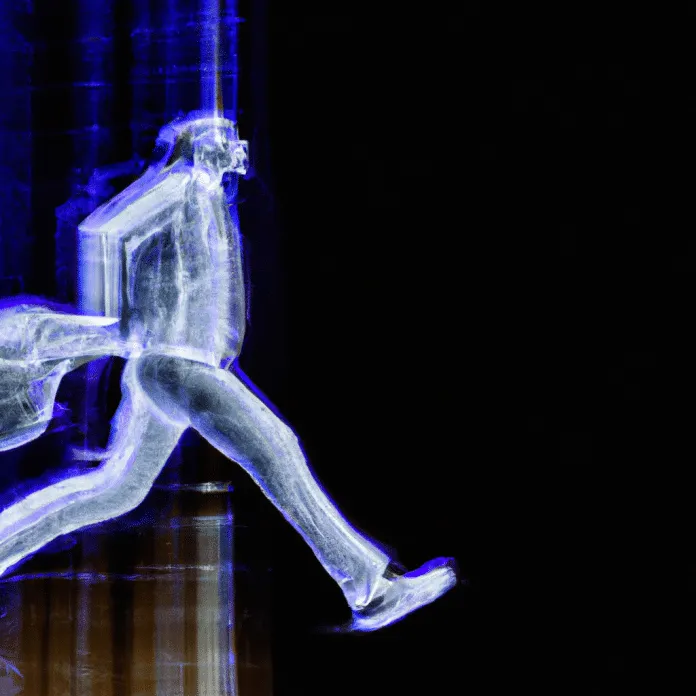

Wearable Technology Revolution: Transforming Our Lives
Section 1: Introduction
As we approach 2025, wearable technology has evolved from a futuristic concept to an integral part of our daily lives. These devices not only monitor our health and physical activities but also begin to influence how we interact with the world around us. This article aims to provide a comprehensive overview of how wearable technology is revolutionizing our lives, highlighting trends, impacts, and challenges shaping this emerging tech landscape.
Section 2: Context and Importance
Origin and Evolution
From early devices like pedometers and basic heart rate monitors, wearable technology has evolved to include smartwatches, augmented reality glasses, smart clothing, and more. The importance of this segment grows as society seeks more personalized and efficient solutions for well-being and productivity.
Social and Health Impact
Wearable technology plays a crucial role in our health, enabling continuous monitoring of vital signs and providing valuable information for medical interventions. For example, the adoption rate of wearable devices has grown by over 150% in the past five years, with estimates pointing to a market valued at hundreds of billions of dollars by the end of 2025.
According to the World Health Organization, the prevention and control of chronic diseases are facilitated by these technologies, which allow for more detailed and precise patient monitoring. ##IMAGEM1##
Section 3: Main Trends
Integration with Artificial Intelligence
One of the main trends in 2025 is the increasingly sophisticated integration with Artificial Intelligence (AI). Wearable devices can now predict health conditions based on historical data, automatically adjusting their activity or medication suggestions.
Enhanced Personalization
Personalization is another important trend. Through advanced algorithms, wearable devices can offer personalized recommendations based on user behavior and preferences.
Interconnectivity
Connectivity between devices has also been a strong trend. Through the Internet of Things (IoT), these devices effectively communicate with other devices, creating an ecosystem of data and services.
To learn more about how these technologies interact with other sectors, check out our article on Technological Transformation in Digital Health.
Section 4: Market Impact
Economy and Sector Growth
The economic impact of wearable technology is significant. With a projected growth of 20% per year, the market is attracting substantial investments from technology and health companies. This growth is driven by increasing demand and continuous innovations in the sector.
According to Statista, the number of wearable devices in use will surpass 1 billion by the end of 2025. ##IMAGEM2##
Impact on Consumers
Besides the economic impact, there is also a direct effect on consumers. Access to real-time data on health and well-being allows for a healthier and more informed life. Consumers are increasingly willing to invest in technologies that improve their quality of life.
Section 5: Challenges and Opportunities
Technological and Ethical Challenges
Despite advances, wearable technology faces significant challenges. Data privacy is a growing concern, as these devices collect sensitive user information. Additionally, data accuracy and reliability are critical issues.
Wearable technology developers need to balance innovation with ethical responsibility. For more insights on how technology is overcoming challenges in different sectors, read our article on the Revolution of Autonomous Cars.
Opportunities for Innovation
With challenges come opportunities. The development of new sensors, improved battery life, and advancements in AI and IoT offer vast opportunities for innovations. Companies that can navigate these challenges will be well-positioned to capitalize on the growing consumer demand.
Additionally, collaboration between technology companies and the health sector promises new business models and solutions that can further transform daily life.
Section 6: Conclusion and Recommendations
In conclusion, wearable technology is at the heart of a revolution that will shape our future. As we move towards 2025 and beyond, these devices will continue to evolve, playing increasingly critical roles in our lives. Individuals and organizations that embrace these advancements will be well-positioned to reap the benefits of an increasingly interconnected and informed world.
We recommend that consumers and investors closely follow emerging trends in this space, as well as evolving legislation that may impact the development and adoption of these technologies. ##IMAGEM3##