

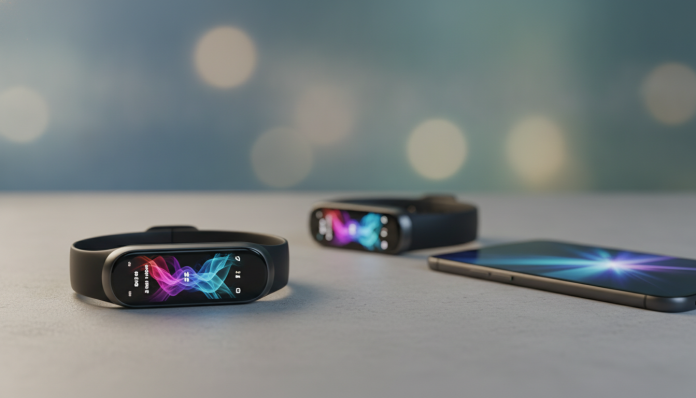

Xiaomi Smart Band 10 Worth It in 2026: Complete Review
The Xiaomi Smart Band 10 arrived as Xiaomi’s bet to keep its smart band line relevant in an increasingly competitive market. Launched in 2024 with incremental improvements over the previous model, it continues to be sold in 2026 at prices that make it one of the most affordable activity trackers available in Brazil. The question that remains is: two years after launch, does it still make sense to buy it?
The short answer is yes, but with an asterisk. For those who want to monitor basic health, get notifications, and have a battery that lasts days without needing constant recharging, the Smart Band 10 delivers a lot for what it costs. But if you expect integrated GPS, high-precision blood oxygen measurement, or advanced training features, the value proposition doesn’t work as well.
This review is based on Xiaomi’s official specifications, publicly available information from the product datasheet, and extensively documented reports by users and international outlets like GSMArena and NotebookCheck.
Xiaomi Smart Band 10 Technical Specifications
| Specification | Details |
|---|---|
| Display | AMOLED 1.62″, 192 x 490 px |
| Processor | Not disclosed by manufacturer |
| RAM / Storage | Not disclosed |
| Battery | 232 mAh |
| Estimated Battery Life (Manufacturer) | Up to 21 days (typical use) |
| Charging | Proprietary magnetic |
| Sensors | Heart rate, SpO2, accelerometer, gyroscope |
| GPS | Via smartphone (no integrated GPS) |
| Water Resistance | 5 ATM (up to 50 meters) |
| Connectivity | Bluetooth 5.3 |
| Compatibility | Android 6.0+ / iOS 14.0+ |
| Management App | Zepp Life / Mi Fitness |
| Exercise Modes | Over 150 |
| Band Dimensions | 46.53 x 21.58 x 10.99 mm |
| Weight | Approximately 27g (with band) |
| Regulatory Approval | Check Anatel website before importing |
Display and Design: Simple, But Functional
The AMOLED screen on the Smart Band 10 is one of the most praised aspects of the device. The elongated format with 1.62 inches offers more viewing area than previous generations, and the 192 x 490 pixel resolution ensures that text and icons appear sharp even with reduced brightness. In environments with direct sunlight, the panel manages to stay readable, according to recurring reports from users on Reddit and analyses from GSMArena.
The physical design follows the discrete line of the Smart Band family: a lightweight module attached to a replaceable silicone band. This is a relevant practical point because alternative third-party bands are cheap and easy to find in Brazil, including versions in synthetic leather, braided metal, and nylon. The construction doesn’t convey a premium feel, but it’s honest for the price segment.
The absence of physical buttons can be annoying at first. All interaction is done via touchscreen, which requires a short adaptation period, especially when navigating menus during a run or cycling session.
Health Monitoring and Sensor Accuracy
The Smart Band 10 features heart rate and SpO2 (blood oxygen saturation, the same type of measurement as a finger pulse oximeter) monitoring continuously. According to the manufacturer, the optical heart rate sensor monitors in real-time, with configurable alerts for heart rate too high or too low.
It’s important to have calibrated expectations here. Wearable bands with optical sensors on the wrist, as is the case with this model, provide a useful reference for daily life, but don’t replace medical equipment or even more accurate chest monitors. For those who use the data as training guidance or general alerts, the result is satisfactory. For those who need precise clinical data, the recommendation is to consult a doctor and use certified equipment.
Sleep monitoring divides analysis into phases (light sleep, deep sleep, and REM), and the app displays a history that helps identify patterns over weeks. The stress sensor is based on heart rate variability (HRV), a metric that measures small variations in the interval between heartbeats to estimate the body’s stress state. It works as a general indicator, not as a diagnosis.
Battery: The Device’s Strongest Point
Battery life is where the Smart Band 10 really stands out from most mid-range smartwatches. With 232 mAh and a lean operating system, Xiaomi claims up to 21 days of typical use, with active heart rate monitoring. In practice, with frequent notifications, Always-On Display activated, and intensive GPS use via smartphone, this number drops, but typically still exceeds a week comfortably, according to consolidated user reports.
For direct comparison between this model and the competition, it’s worth checking the analysis Galaxy Fit 3 vs Xiaomi Smart Band 10: which to buy?, which details the differences in battery life and value for money between the two main competitors in this price range in Brazil.
Charging is done via a proprietary magnetic cable, which means if you lose the cable, you’ll need to buy a specific one for the model. It’s a real limitation and worth keeping the cable in a safe place.
Software, App, and User Experience
The Smart Band 10 works with the Mi Fitness application (which gradually replaced Zepp Life for new Xiaomi devices, though Zepp Life is still supported in many cases). Both apps are available for Android and iOS and offer activity history, sleep analysis, step goals, and integration with operating system health services, such as Google Health Connect on Android.
The interface on the band itself is fluid for the functions you’ll use daily: checking time, viewing notifications, pausing music on your phone, and starting a workout. Watch face customization is done through the app, with dozens of free options and some paid options available in the Xiaomi store.
A point of attention for Brazilian users: the app collects health data and sends it to Xiaomi servers, which raises privacy concerns that each person should evaluate according to their own criteria. Xiaomi provides a public privacy policy, and it’s worth reading before setting up the device.
Xiaomi Smart Band 10 in Brazil: Import, Warranty, and Availability
This is the section that separates international reading from local reality. The Smart Band 10 was not officially launched in Brazil with the same aggressiveness as other markets, and its availability varies. In 2026, it’s possible to find it on national marketplaces like Mercado Livre, Americanas, and Shopee, in both versions imported by resellers and by individual sellers.
About Anatel Certification: Bluetooth devices sold in Brazil need Anatel (National Telecommunications Agency) approval. Before buying on any site, verify that the seller presents the certification number or consult directly the Anatel public database. Buying an uncertified device can cause headaches in cases of exchange or support.
Warranty for imported products is a delicate point. Reputable resellers offer their own warranty of 90 days to 1 year, but Xiaomi Brazil’s warranty may not cover products brought from other markets. Ask before buying and request an invoice.
The price range in 2026 is around R$ 200 to R$ 350 depending on the seller, promotions, and whether an extra band is included. The international launch price was approximately US$ 49 in 2024. Prices vary widely, so it’s worth researching before making a purchase.
Pros and Cons
Pros:
- Good quality AMOLED screen for the segment
- Battery with above-average real autonomy
- Lightweight design with replaceable and affordable bands
- Over 150 recognized exercise modes
- Affordable price for what it delivers
- 5 ATM water resistance (suitable for swimming)
- SpO2 and sleep monitoring included
Cons:
- No integrated GPS (depends on phone for route tracking)
- Proprietary magnetic charging cable
- Sensor accuracy is adequate, not professional
- Irregular availability in Brazil with uncertain warranty in many channels
- Software may receive slower updates outside the Chinese market
Competitors and Alternatives in Brazil
| Model | Integrated GPS | Display | Estimated Battery | Price Range (BR) |
|---|---|---|---|---|
| Xiaomi Smart Band 10 | No | AMOLED 1.62″ | Up to 21 days | R$ 200 to R$ 350 |
| Samsung Galaxy Fit 3 | No | AMOLED 1.6″ | Up to 13 days | R$ 300 to R$ 450 |
| Fitbit Inspire 3 | No | Color AMOLED | Up to 10 days | R$ 400 to R$ 550 |
| Garmin Vivosmart 5 | No | Monochrome display | Up to 7 days | R$ 700 to R$ 900 |
| Amazfit Band 7 | No | AMOLED 1.47″ | Up to 18 days | R$ 200 to R$ 300 |
The Galaxy Fit 3 is the most direct competitor and has better official availability in Brazil with Samsung support. The Amazfit Band 7 competes at the same price point with a similar offer. If you want integrated GPS, you’ll need to move up to at least the entry-level compact smartwatch range like the Amazfit Bip 5 or Garmin Forerunner entry series.
Frequently Asked Questions About Xiaomi Smart Band 10
Does it work with iPhone?
Yes, the Smart Band 10 is compatible with iOS 14 or higher via the Mi Fitness app available on the App Store. Integration with the Apple ecosystem is functional for notifications and monitoring, but without the level of native integration you would have with an Apple Watch or a Fitbit.
Can you swim with it?
According to Xiaomi, the device has 5 ATM certification, which means resistance to pressure equivalent to 50 meters deep. The manufacturer indicates it’s suitable for pool swimming. It’s not recommended for scuba diving or high-pressure aquatic activities.
Does the app work well in Portuguese?
Mi Fitness has Brazilian Portuguese support and works well for main functions. Occasionally, some menus or technical terms appear in English depending on the app version, but the overall experience is understandable without difficulty.
Can you reply to messages from the band?
No. The Smart Band 10 displays message, call, and app notifications, but doesn’t allow you to reply directly from the band. For that, you’d need a smartwatch with a keyboard or quick voice response, which isn’t the case with this product.
Is the Xiaomi Smart Band 10 Worth It in 2026?
For most people who want to take their first step in health monitoring without spending much, the Smart Band 10 is still a good buy in 2026. The display is good, the battery lasts the week without stress, and the sensors deliver enough for those who want to track steps, sleep, and heart rate in daily life.
Those who practice sports with route tracking will miss integrated GPS and may prefer to invest a bit more in an entry-level smartwatch. And those already using Samsung might consider the Galaxy Fit 3 for native integration with the Galaxy ecosystem, even with a smaller battery. If you’re setting up a productivity-focused setup and want to better understand how to organize your technology spending, it might also be worth looking at which notebook for programming up to R$ 5000 is worth it in 2026 before defining purchase priorities.
Recommended for: beginners in wearables, users who prioritize battery autonomy, those who want basic health monitoring at an accessible price, and don’t depend on integrated GPS.
Price range: between R$ 200 and R$ 350 in Brazil through import channels, with variation depending on promotions and seller. International launch price was approximately US$ 49.