

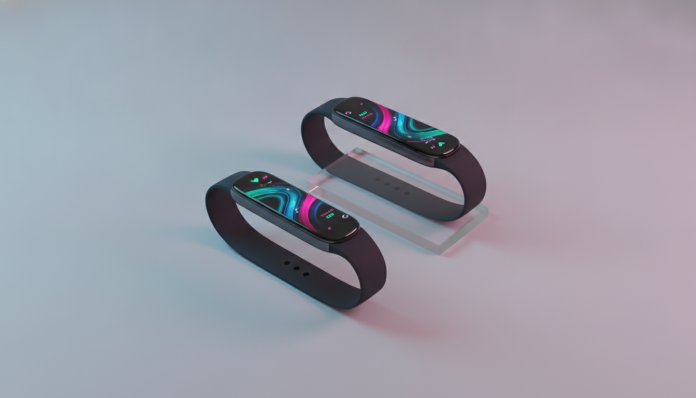

Galaxy Fit 3 vs Xiaomi Smart Band 10: Which Fitness Band to Buy
You’re torn between the Galaxy Fit 3 from Samsung and the Xiaomi Smart Band 10 and want to know which offers better value for your money. Both are fitness bands with color screens, health monitoring, and generous battery life, but they serve quite different usage profiles. The short answer: if you use Android Samsung and want native integration with the brand’s ecosystem, the Fit 3 makes more sense; if budget is your priority and you want more for less, the Smart Band 10 is usually cheaper without skipping the essentials.
Before diving into comparisons, an important note about the Brazilian context: both bands need Anatel approval to be sold legally in Brazil. Always check the Anatel seal on the packaging or technical sheet before buying, especially with direct imports. Products without approval may have warranty issues and even be held at customs.
Detailed Comparison Sheet
| Specification | Samsung Galaxy Fit 3 | Xiaomi Smart Band 10 |
|---|---|---|
| Display | AMOLED 1.6 in., 256×402 px | AMOLED 1.62 in., 192×490 px |
| Shape | Rectangular | Rectangular |
| Battery | 247 mAh | 233 mAh |
| Battery Life Claimed | Up to 13 days | Up to 21 days |
| Water Resistance | 5 ATM | 5 ATM |
| GPS | No (connected to smartphone) | No (connected to smartphone) |
| Sensors | Accelerometer, gyroscope, heart rate, SpO2 | Accelerometer, gyroscope, heart rate, SpO2 |
| Compatibility | Android 10+ / iOS 16+ | Android 6+ / iOS 14+ |
| App | Galaxy Wearable / Samsung Health | Zepp Life / Mi Fitness |
| Connectivity | Bluetooth 5.0 | Bluetooth 5.3 |
| Price Range in Brazil | R$ 300 to R$ 400 | R$ 180 to R$ 280 |
| Launch Price (USA) | US$ 59.99 | US$ 39.99 |
Prices vary by store and promotions. Check updated prices before purchasing.
Display and Design: Daily Use Winner
Both bands use AMOLED technology (organic LED display with individual pixels that turn off for true black, saving battery and delivering vibrant colors). In practice, both have good readability in sunlight, but there are relevant differences.
The Galaxy Fit 3 has a resolution of 256×402 pixels on a 1.6-inch screen, resulting in higher pixel density and noticeably sharper text. The Smart Band 10 features 192×490 pixels on a 1.62-inch screen, with a slightly taller display, good for viewing notifications in vertical scrolling, but with lower density horizontally. For those who use the band heavily for reading messages, the Fit 3 has a perceived advantage in visual comfort.
In design, the Galaxy Fit 3 has a more premium finish with an aluminum frame that gives the impression of a sturdier product. The Smart Band 10 is slightly lighter and more discreet, appealing to those who prefer something less noticeable on the wrist. Both bands swap the standard band for aftermarket models since they use a conventional 20mm pin attachment.
Health Monitoring and Sports
This is the core of the decision for those who use a band beyond just telling time. Both offer continuous heart rate monitoring, SpO2 (blood oxygen saturation), sleep tracking, and stress monitoring. The difference lies in data depth and app integration.
The Galaxy Fit 3 stands out with its integration to Samsung Health, one of the most complete health apps for Android. If you already use other Samsung devices, data from all your bands and watches appears in the same history, making long-term tracking easier. According to Samsung, the Fit 3 offers over 100 recognized sports modes and body composition analysis when paired with the Samsung Body Composition scale.
The Smart Band 10, according to Xiaomi, works with over 150 sports modes and brings features like automatic exercise detection. The Zepp Life app (formerly Mi Fit) is functional and free, but has historically received criticism for being less intuitive than Samsung Health. If you don’t use the Samsung ecosystem and want a straightforward app without complexity, the Smart Band 10 experience handles the basics well.
An important point in common: neither band has built-in GPS. This means that to track your route during a run or walk on the map, you need to carry your smartphone with you. Those wanting GPS on the wrist should look at higher categories, like smartwatches starting at R$ 600.
Battery: Smart Band 10’s Biggest Advantage
Battery life is where Xiaomi clearly stands out. According to Xiaomi’s official specifications, the Smart Band 10 delivers up to 21 days of typical use on a single charge. Samsung claims up to 13 days for the Galaxy Fit 3 under the same conditions.
In practice, battery life claimed by manufacturers usually varies depending on how you use the band: the more you keep the screen on continuously (always-on display mode), the more notifications you receive, and the more workouts you log, the shorter the real duration. But even with a discount, the Smart Band 10’s advantage is real and noticeable in daily life, meaning you charge the band fewer times per month.
For those who travel frequently, forget to charge devices, or simply hate having another thing to plug in every week, this point heavily tips the scale toward the Smart Band 10.
Compatibility and Ecosystem: Android and iOS
Both bands work with Android and iOS. But there are important nuances you need to know before buying.
The Galaxy Fit 3 has deeper integration with Samsung Galaxy smartphones. On other Android devices, it works normally through the Galaxy Wearable app, but some Samsung ecosystem-specific features are limited. On iPhone, functionality is basic: notifications and health data arrive, but without the richness of integration available on Android.
The Smart Band 10 is more platform-agnostic. It works well with any Android version 6 and above and iOS version 14 and above, without depending on a specific smartphone brand. Anyone with a Motorola, Xiaomi, Positivo, or any other Android benefits equally. This makes it a more universal choice.
If you’re deciding between phones while evaluating the band, it may be helpful to also read about the most popular mid-range phones in Brazil in 2026, such as in this comparison between the iPhone 17e or Galaxy A56: which mid-range to buy, which can help align your phone choice with the right band.
Availability in Brazil and Import Considerations
The Galaxy Fit 3 has an established presence in Brazil, with sales in physical and online stores like Americanas, Magazine Luiza, and the official Samsung Store. Samsung Brazil’s warranty is one year for manufacturing defects, with support in Portuguese and technical service centers throughout the country.
The Smart Band 10 has more varied distribution. You’ll find it in major e-commerce sites, but imported versions without Brazilian invoices and without local warranty are common. Always prefer to buy from stores with national warranty and receipt, especially for electronics subject to battery or sensor failures.
Regarding Anatel approval, verify the approval number on the packaging or the product page on the official website. Devices without this registration may have Bluetooth operating on unauthorized frequencies in Brazil, which technically can cause issues with regulatory oversight and, in practice, creates difficulties for warranty replacement.
Which to Choose Based on Your Profile
The Galaxy Fit 3 is the right choice for those who already use a Samsung smartphone and want complete integration with Samsung Health, value a more premium design, and don’t mind paying a bit more. It also works better for those who track health data in detail and want the history centralized in a single ecosystem.
The Smart Band 10 is ideal for those who want a functional band with exceptional battery life at a more accessible price. It’s the best option for users of any smartphone brand, for those who travel frequently, and for those buying a fitness band for the first time and don’t want to invest heavily before knowing if they’ll use it.
Frequently Asked Questions About Galaxy Fit 3 and Smart Band 10
Does the Smart Band 10 work with iPhone?
Yes, according to Xiaomi, the Smart Band 10 is compatible with iOS version 14 and above. Functionality includes notifications, health monitoring, and music control. Some features specific to the Xiaomi ecosystem may be limited on iOS.
Does the Galaxy Fit 3 have NFC for payments?
No. The Galaxy Fit 3 does not have an NFC chip, which means you cannot use the band to make contactless payments. This feature is available only on Samsung’s Galaxy Watch smartwatches.
Is it worth importing the Smart Band 10 to pay less?
It depends. Importing can be cheaper, but you lose local warranty, may have difficulties with technical support in case of defects, and risk receiving a product without Anatel approval. To save safely, prefer national stores that sell the product with an official receipt.
Do both bands detect falls or call emergency automatically?
No. Neither band has fall detection or automatic emergency call features. These features are found in higher-end smartwatches, like the Galaxy Watch or Apple Watch.
Which to Buy: Final Decision by Profile and Budget
Choose the Galaxy Fit 3 if: you have a Samsung smartphone, use Samsung Health regularly, want a more robust design, and don’t mind battery life of up to 13 days. Price range: R$ 300 to R$ 400.
Choose the Smart Band 10 if: you want the best value for money, use any Android brand or iPhone, prioritize battery lasting weeks, and are new to fitness bands. Price range: R$ 180 to R$ 280.
For most Brazilians who want to monitor their health without overcomplicating things, the Smart Band 10 delivers the essentials for less money. If the Samsung ecosystem is already part of your routine, the Galaxy Fit 3 justifies the price difference with a more integrated experience and perceived superior build quality.