

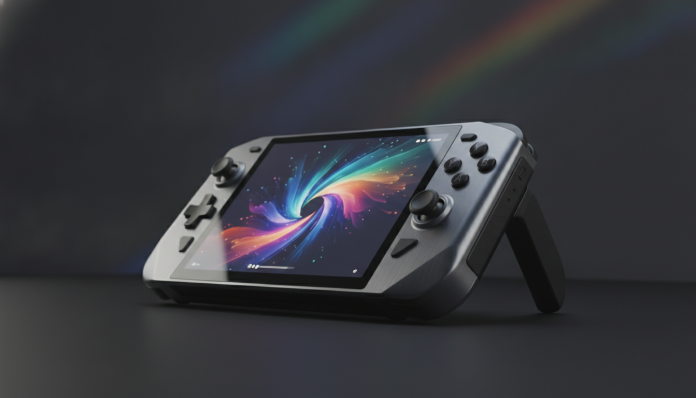

ASUS ROG Ally X in 2026: Complete Review for Brazil
The ASUS ROG Ally X arrived on the market in 2024 as an improved version of the original ROG Ally, bringing important adjustments that the manufacturer made based on feedback from early users. In 2026, it still holds a relevant position in the handheld gaming market for PC — portable video game devices that run Windows and allow you to play PC titles anywhere, like a Nintendo Switch but with the power of a computer. The question that matters for readers right now is direct: does it make sense to buy the ROG Ally X in Brazil in 2026, with newer competitors in the market?
The short answer is yes, with caveats. The Ally X still delivers a solid combination of performance, quality screen, and relatively mature software, especially for those who want to play Game Pass or Steam library titles without needing a full setup in the office or living room. But the price in Brazil and the arrival of new competitors changed the equation — and you need to know exactly where things stand before swiping your card.
This review is based on ASUS’s official specifications, public information from the manufacturer, and data widely disseminated by specialized media. We do not claim to have tested the unit in our own laboratory.
ASUS ROG Ally X Technical Specifications
| Specification | Detail |
|---|---|
| Processor | AMD Ryzen Z1 Extreme (8 cores, 16 threads, up to 8.6 TFLOPS integrated GPU) |
| RAM | 24 GB LPDDR5 6400 MHz |
| Storage | 1 TB SSD NVMe PCIe 4.0 |
| Screen | 7-inch IPS, Full HD (1920×1080), 120 Hz, 500 nits |
| Battery | 80 Wh |
| Operating System | Windows 11 Home |
| Connectivity | Wi-Fi 6E, Bluetooth 5.2, USB-C Thunderbolt 4, USB-C 3.2 Gen 2, microSD |
| Weight | Approximately 678 grams |
| Charging | 65 W via USB-C |
| SSD Slot | M.2 2280 accessible for upgrade |
Real Performance with AMD Ryzen Z1 Extreme Chip
The Ryzen Z1 Extreme is the heart of the Ally X, and understanding what it delivers is fundamental to calibrating your expectations. It is a chip created specifically for handhelds, with CPU and GPU integrated in the same package — the concept is similar to Apple’s M chip, but aimed at the Windows ecosystem and focused on gaming. According to ASUS, the chip can deliver up to 8.6 TFLOPS of graphics performance, positioning it above a desktop GTX 1060 from a few years back, with the advantage of fitting in the palm of your hand.
In practice, according to public data from the manufacturer and international media, the Ally X runs AAA games — high-budget titles like Cyberpunk 2077 and Elden Ring — at medium to high settings, with native 1080p resolution. For less demanding titles or e-sports like Rocket League and Valorant, performance is abundant. The chip operates in three TDP modes (the acronym for Thermal Design Power, which represents the power limit the processor can consume): 10 W in silent mode, 15 W in performance mode, and 30 W in turbo mode. The higher the TDP, the more performance and heat generated.
The model with 24 GB of RAM is a significant upgrade compared to the original Ally, which came with 16 GB. Part of this memory is shared with the integrated GPU — the more you allocate to graphics, the less is left for the system. ASUS allows you to adjust this value manually through software, giving important flexibility depending on the game.
Screen, Ergonomics, and Build
The 7-inch Full HD 120 Hz screen is one of the device’s high points. One hundred twenty frames per second (Hz) means the display can show up to 120 different images per second, making animation smoother. For action games or first-person shooters, this makes a perceptible difference. The DCI-P3 color coverage, according to ASUS’s specifications, exceeds 100%, indicating vibrant and accurate colors — good for both gaming and video consumption.
The construction is robust, with matte plastic that resists fingerprints well. The design was revised compared to the original Ally: the Ally X has a wider and more concave grip, which according to specialized media reports improves comfort during long sessions. The controls follow the XBOX layout standard, making it easier to adapt if you already play on Microsoft’s console.
One thing you should check in-store or in unboxing videos before buying: the weight of 678 grams is reportedly higher than competitors like the Steam Deck. For sessions longer than an hour holding the device, this may be relevant depending on your tolerance.
80 Wh Battery: What Changed and What Still Frustrates
The battery was one of the main points of criticism for the original ROG Ally, which came with only 40 Wh. The Ally X doubled this capacity to 80 Wh. According to ASUS, this allows between 2 and 3 hours of gaming with the chip in performance mode, and more in economy mode or video playback. For a handheld with this level of performance, it’s an acceptable result — the Steam Deck OLED has similar numbers in equivalent scenarios.
The problem is that 2 hours of real battery life in heavy games is still below what casual users expect. If you plan to use the Ally X on long airplane trips without outlet access, you’ll need a robust power bank. The 65 W USB-C charging is practical because any compatible USB-C charger works, including notebook chargers — unlike proprietary solutions that lock you into a specific cable. Always check the minimum supported wattage before buying a third-party charger.
Software: Windows 11 and Armoury Crate
Running Windows 11 on a handheld is a double-edged sword. The advantage is obvious: compatibility with the entire PC library, including platforms like Steam, Epic Games Store, and Xbox Game Pass. The disadvantage is that Windows wasn’t designed to be operated with controllers, and the learning curve for configuring the device for the first time can frustrate those expecting something plug-and-play like a console.
ASUS tries to solve this with the Armoury Crate SE, a proprietary interface that works as a game launcher, similar to what Steam Deck has in its interface mode. Through it, you manage TDP settings, RGB lighting, performance profiles, and access your library without touching traditional Windows. The quality of this software improved significantly since 2024, according to media reports, but still has erratic behaviors that ASUS fixes through periodic updates. Keep the device always updated.
If you have other devices in the ecosystem, you may find it useful to compare how different products balance ecosystem and usability — just like we did in our analysis of the Huawei Watch GT 5 Pro in Brazil, which faces a similar challenge of proprietary software versus integration with other platforms.
Ally X in Brazil: Import, Anatel, and Warranty
The ROG Ally X does not have consolidated official sales through national distributors with the same ease as ASUS notebooks and phones. In 2026, it appears in stores like Kabum, Pichau, and importers like americanas.com and Mercado Livre, but the situation varies. What you need to check before buying:
- Anatel Approval: devices without the Anatel seal are not legally approved for use in Brazil. Wi-Fi and Bluetooth require approval. Check the approval number on the product or on the Anatel website before finalizing your purchase.
- Warranty: imported versions from other countries generally do not have Brazilian legal warranty (12 mandatory months under Consumer Protection Code). Stores that import and resell as distributors may offer their own warranty — read the contract first.
- Price: in the US, the ROG Ally X launched in 2024 for around US$ 799. In Brazil, in 2026, the estimated range in national stores is between R$ 5,500 and R$ 7,000, depending on the channel and import taxes. Verify current values at stores, as dollar exchange rates impact directly.
The accessible M.2 2280 SSD slot is an advantage for those who want to expand storage with a high-performance NVMe SSD in the future, without relying only on microSD.
Pros and Cons
Pros:
- Ryzen Z1 Extreme performance still competitive for most titles in 2026
- 7-inch screen with 120 Hz and good color coverage
- 24 GB of LPDDR5 RAM, superior to many competitors
- 80 Wh battery, double the original model
- Universal USB-C charging, no proprietary cable
- User-upgradeable SSD
- Compatibility with entire PC library (Steam, Game Pass, Epic)
Cons:
- Weight of 678 grams can tire during long sessions
- Windows 11 requires initial setup and patience
- Battery life of 2 to 3 hours in heavy games still limited
- Availability and warranty in Brazil depend on purchasing channel
- Competitors launched in 2025 and 2026 may offer more efficient chips
Competitors and Alternatives in Brazil
| Product | Chip | RAM | Battery | Estimated Price (BR) |
|---|---|---|---|---|
| ASUS ROG Ally X | AMD Ryzen Z1 Extreme | 24 GB | 80 Wh | R$ 5,500 to R$ 7,000 |
| Valve Steam Deck OLED | AMD Custom | 16 GB | 50 Wh | R$ 4,500 to R$ 6,000 (import) |
| Lenovo Legion Go | AMD Ryzen Z1 Extreme | 16 GB | 49.2 Wh | R$ 5,000 to R$ 6,500 |
| MSI Claw (2025 versions) | Intel Lunar Lake (verify) | 16 to 32 GB | Varies | Check local availability |
Check updated prices at stores before buying, as exchange rates and inventory change frequently.
Frequently Asked Questions about the ASUS ROG Ally X
Does the ROG Ally X run Xbox Game Pass games?
Yes. Since it runs Windows 11, you install the Xbox app and access the Game Pass library normally, including PC titles. The control experience is good because the button layout follows Xbox standard.
Is it possible to connect the Ally X to a TV or monitor?
Yes. Through the USB-C connector with Thunderbolt 4 support, you connect a cable or adapter and use the device as a mini PC on a TV. In this scenario, with the device plugged in, performance is more stable because thermal and power management improves.
Can other systems like SteamOS be installed?
Technically yes, but it’s not an official process and can complicate updates and support. Valve launched SteamOS for third-party devices in 2025 — check Valve’s documentation to see if the Ally X is listed as compatible before attempting.
How long is the warranty in Brazil?
It depends on the purchasing channel. Under the Consumer Protection Code, stores selling the product in Brazil are obligated to offer 12 months of legal warranty. Versions purchased directly abroad do not have this automatic protection.
Is It Worth Buying the ROG Ally X in Brazil in 2026?

The ROG Ally X is a mature handheld with generous specifications and a clear proposal: play PC titles anywhere without sacrificing performance. It’s not perfect — the weight weighs, literally, and Windows still frustrates at times — but it’s one of the most well-built and documented options in the segment.
In 2026, the biggest deciding factor is the price in Brazil and the origin of the device. If you find a reliable channel with national warranty and a reasonable price, it delivers on its promises. If your budget is tighter or you prefer a more plug-and-play experience, the Steam Deck OLED deserves attention.
Recommended for: gamers who already have a robust PC library (Steam or Game Pass), who want a handheld with above-average performance, and who are willing to deal with Windows initial setup.
Price range: R$ 5,500 to R$ 7,000 in Brazil, depending on the channel and dollar exchange rate. In the US, it launched at US$ 799 in 2024 — check if import is available with an invoice and warranty.