

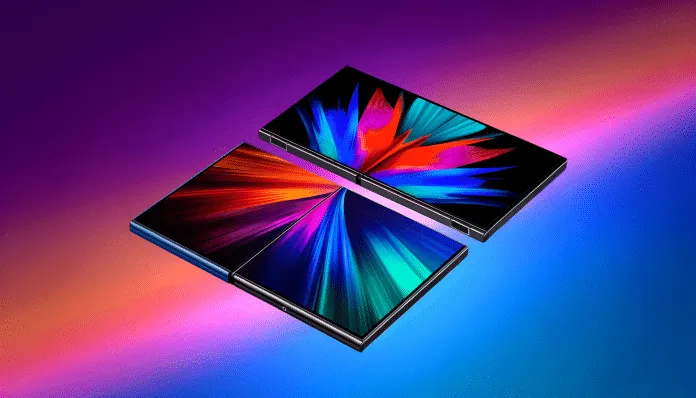

The question of whether a foldable phone is worth it in 2026 divides opinions among tech enthusiasts and practical users. However, with prices ranging from $800 to $1,000, these devices represent a significant investment that requires careful analysis. Thus, evaluating costs, durability, performance, and specific use cases becomes essential before making a purchase decision.
How Much Does a Foldable Phone Really Cost in 2026?
Firstly, the prices of foldable phones remain high even after years of technological development. The Galaxy Z Flip6 5G costs between $800 and $980 for the version with 512 GB of storage and 12 GB of RAM. On the other hand, the Razr 50 Ultra is sold between $800 and $1,000, offering a 6.9-inch internal display with a 165 Hz refresh rate.
Additionally, the Galaxy Z Fold6 5G represents the top of Samsung’s line, with a 6.3-inch external display and a 7.6-inch internal AMOLED display, costing even more. Consequently, these devices compete directly with traditional premium flagship models, but with specific functionalities that not all users will effectively utilize.
| Model | Price ($) | Internal Screen | RAM | Storage |
|---|---|---|---|---|
| Galaxy Z Flip6 5G | 800 – 980 | 6.7″ | 12 GB | 512 GB |
| Razr 50 Ultra | 800 – 1,000 | 6.9″ (165 Hz) | 12 GB | 512 GB |
| Galaxy Z Fold6 5G | 1,100+ | 7.6″ AMOLED | 12 GB | 512 GB
In this context, the price difference compared to traditional premium smartphones can reach 50% or more, making it essential to evaluate whether the foldable functionalities justify the additional investment. Durability: The Major Bottleneck of the Technology

However, durability remains the main concern for consumers interested in knowing if a foldable phone is worth it. The technical limitations inherent in the foldable design directly impact the longevity of the devices. Fragility of the Flexible OLED ScreenIndeed, foldable screens are made with plastic or ultra-thin glass, materials that inevitably develop visible marks on the fold axis after prolonged use. However, this characteristic does not necessarily represent a manufacturing defect but a physical limitation of current technology. Additionally, Samsung claims that the protective layer of the Z Flip can be removed by users, but most avoid this practice due to the risks involved. Consequently, small scratches and wear become more apparent on the plastic surface compared to traditional tempered glass. Water and Dust Resistance (IPX8 vs IP67)On the other hand, protection against external elements presents significant limitations in foldables. Still, models like the Galaxy Z Flip6 offer an IPX8 rating, ensuring water resistance but without effective protection against dust. In contrast, traditional smartphones like the Galaxy A54 have an IP67 certification, offering complete protection against water and dust. Thus, users working in environments with higher exposure to solid particles may face premature problems with folding mechanisms. Camera and Battery: Inevitable CompromisesHowever, internal space limitations in foldables result in significant compromises in essential components. The Motorola Razr 40 Ultra exemplifies this reality with a primary camera of only 12 MP and a secondary one of 13 MP. Firstly, this photographic configuration lags significantly behind traditional flagships like the Galaxy S23 Ultra, which offers a 200 MP main sensor. Therefore, users who prioritize mobile photography will find evident limitations in current foldables. Similarly, battery capacity suffers restrictions due to the compact design when closed. Consequently, autonomy often falls short of conventional smartphones in the same price range, requiring more frequent charging.
|